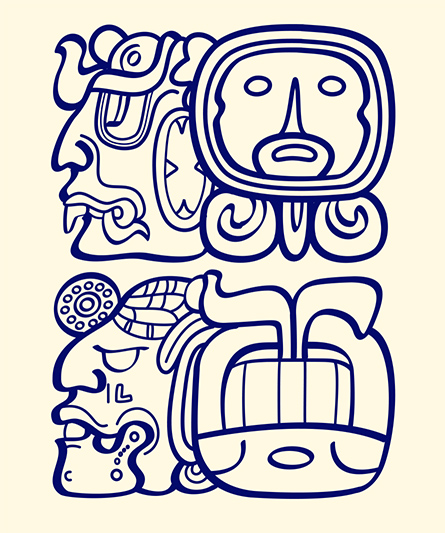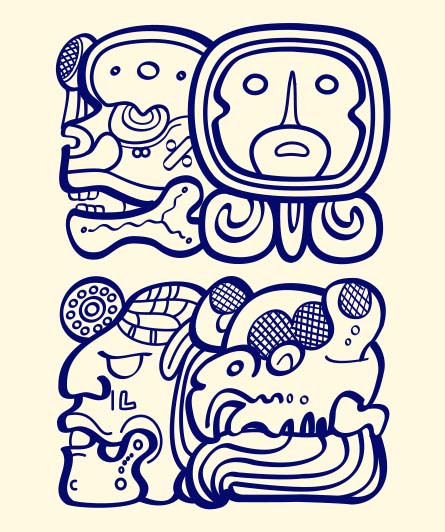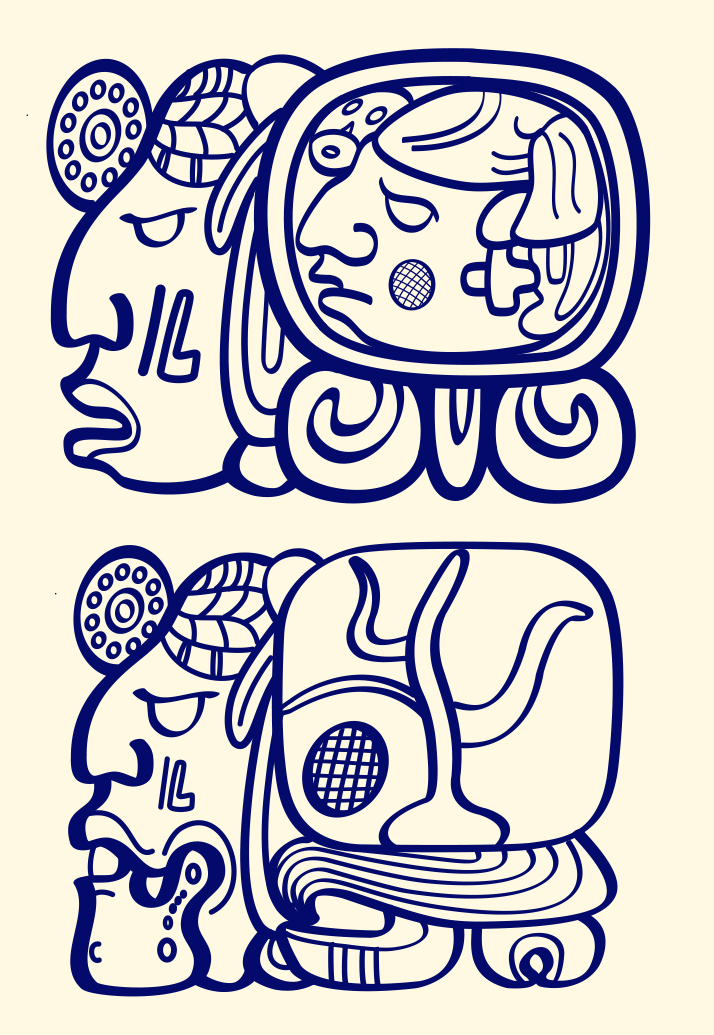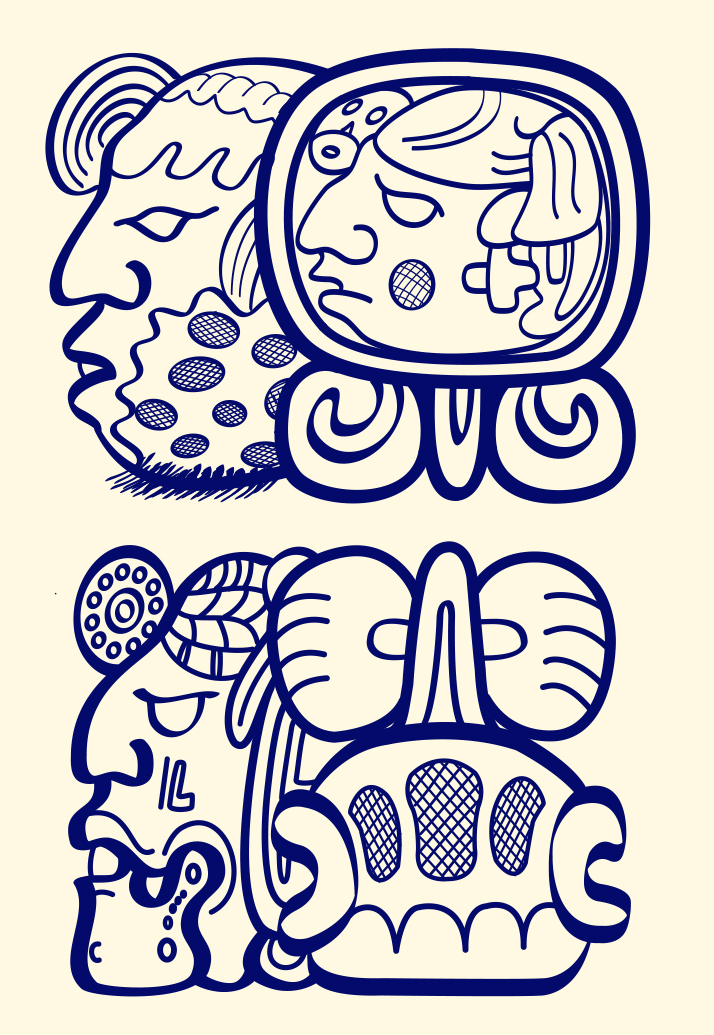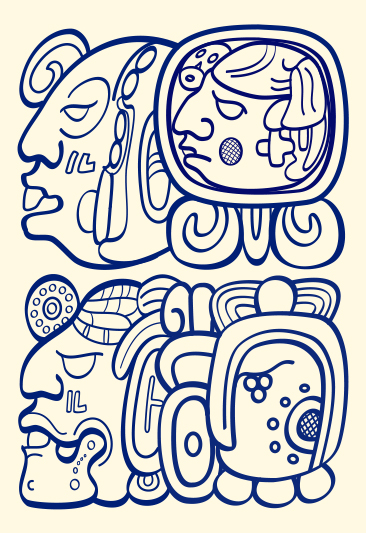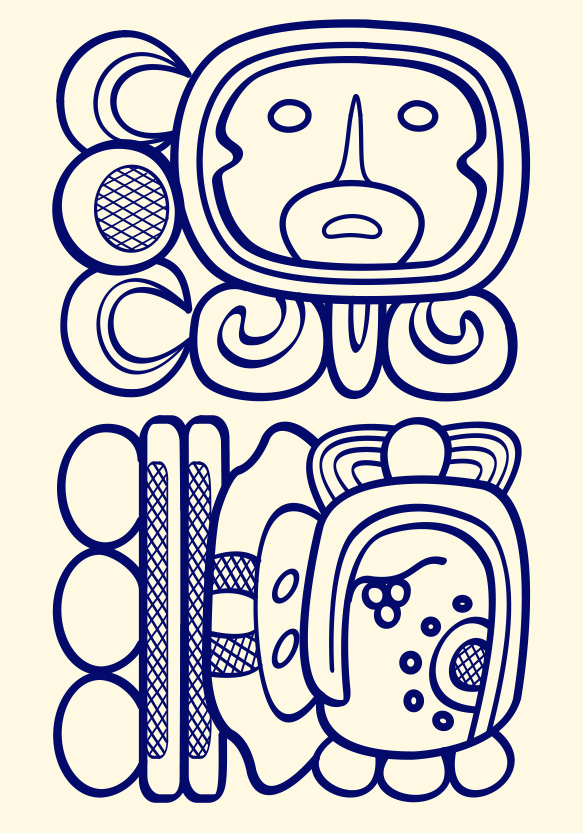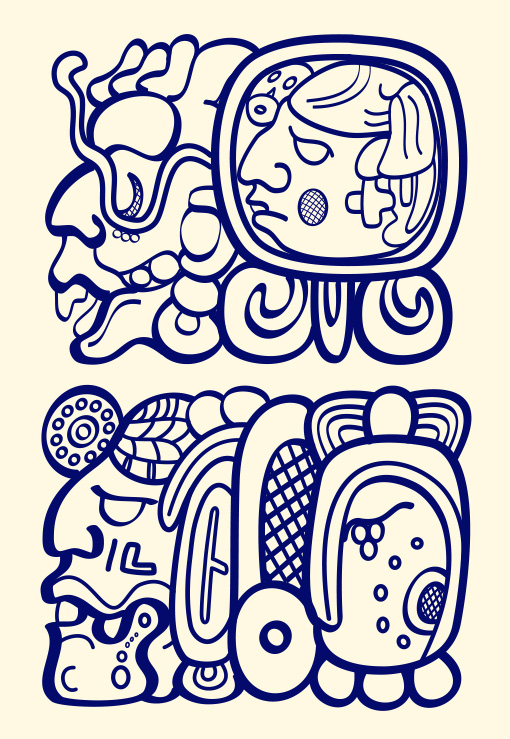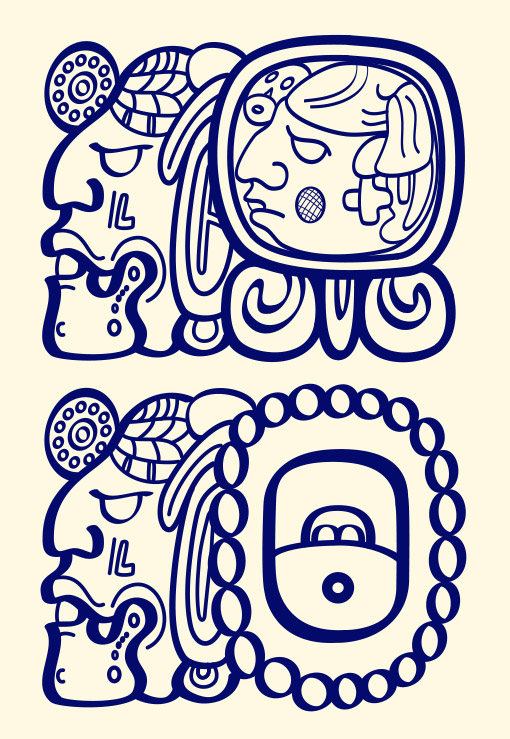
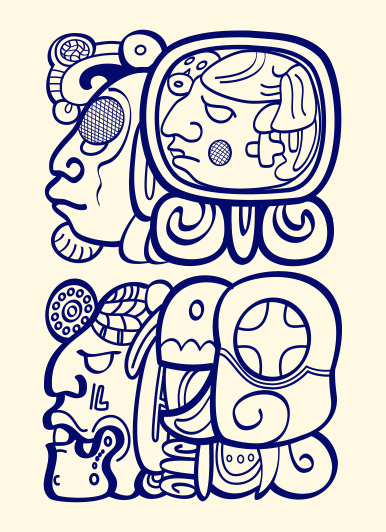
11 Ajaw 13 K’ayab. Drawing by Jorge Pérez de Lara.
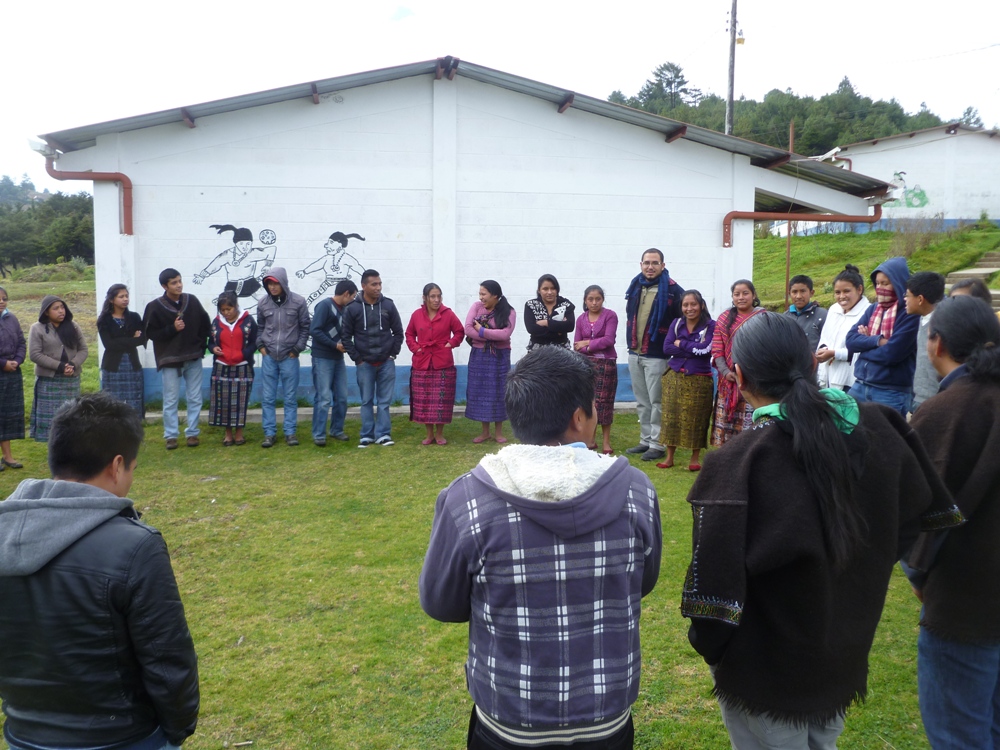
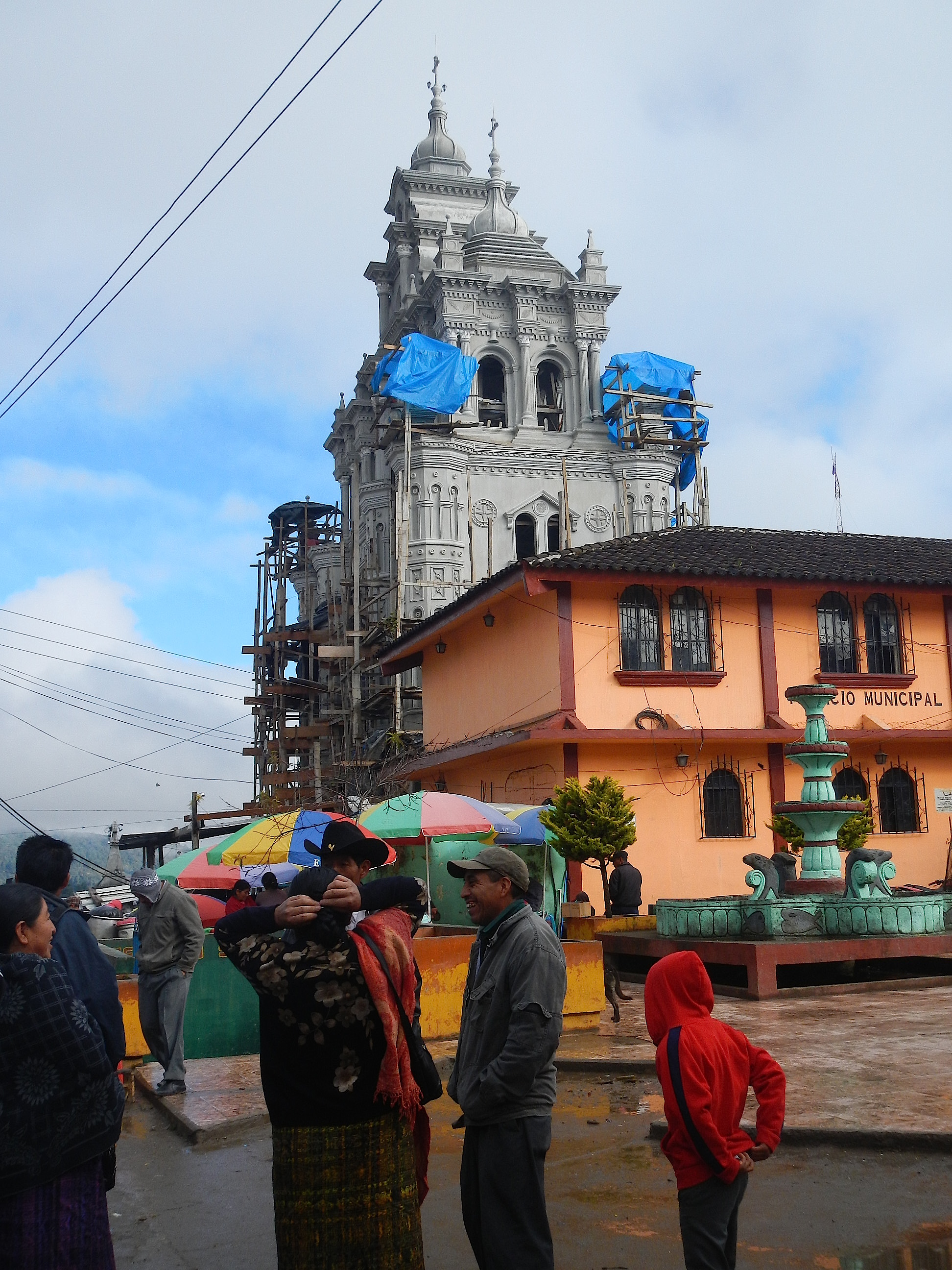
Dear readers, we have lingered on Santa Eulalia for some time now, this being the fourth and final blog post from there.
In the 1920s, almost a century ago, anthropologists rocked the academic world by discovering the Maya calendar still in use in the remote Cuchumatanes Mountains of Guatelmala, which of course was not news to the Mayas themselves who incorporate the tsolk’in and the year bearers in their daily lives.
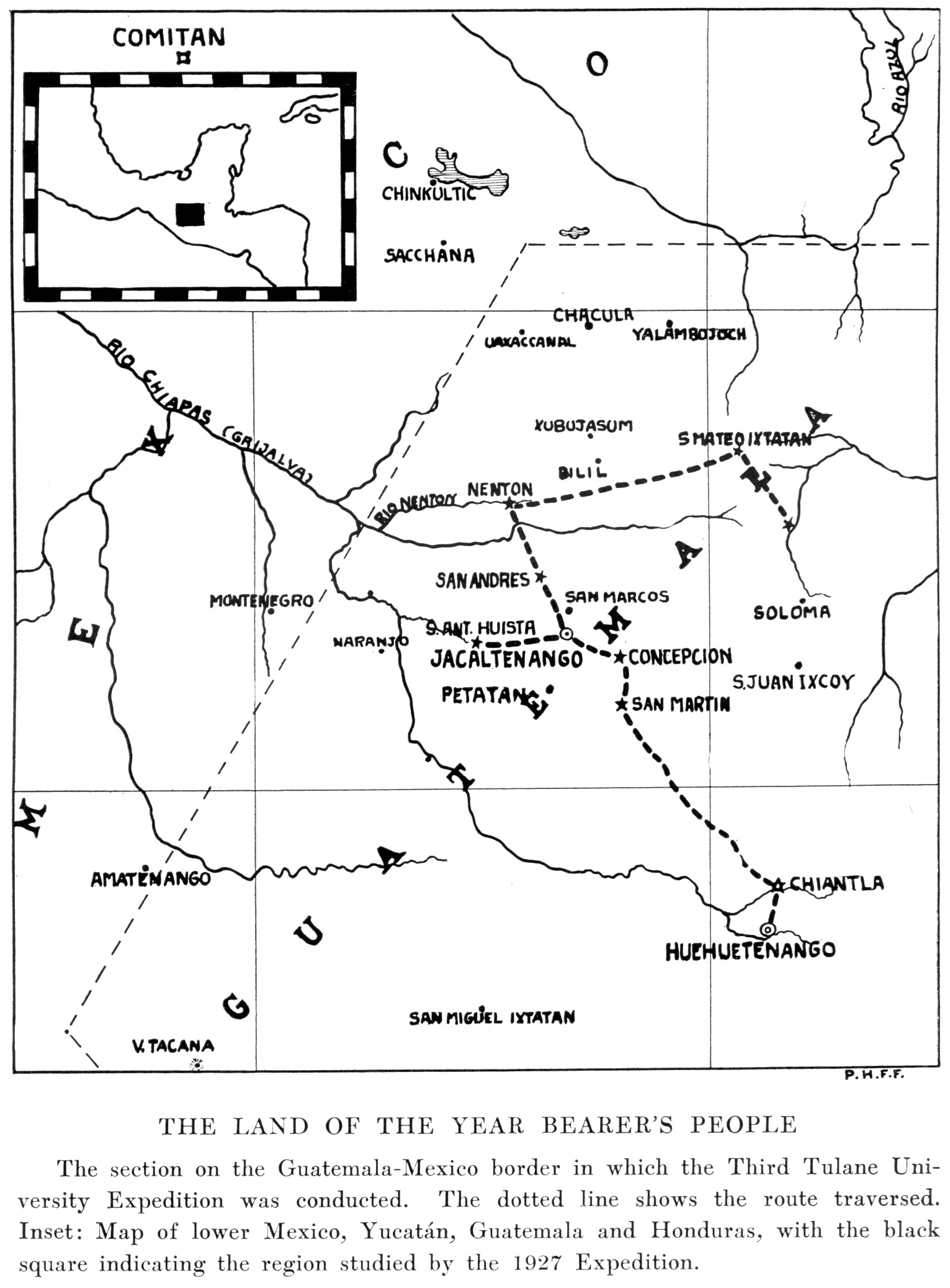
Study area of the 1927 Tulane University expedition from The Year Bearer’s People (1931) by Oliver La Farge and Douglas Byer.
Oliver La Farge returned to Santa Eulalia in 1932 to focus specifically on the calendar and bring to the outside world its inner workings and the ways of the people using it.
11 Ajaw 13 K’ayab. Dibujo por Jorge Pérez de Lara.
Queridos lectores: nos hemos detenido en Santa Eulalia ya por bastante tiempo, siendo este el cuarto y último blog enviado desde ahí.
En la década de 1920, hace casi un siglo, los antropólogos causaron una sensación en el mundo académico cuando descubrieron que el calendario maya continuaba utilizándose en las remotas montañas de los Cuchumatanes, en Guatemala; esto, desde luego, no tenía nada de novedoso para los mayas mismos, quienes incorporan al tsolk’in y a los cargadores del año en sus vidas diarias.
Área de estudio de la expedición de la Universidad de Tulane en 1927, de The Year Bearer’s People (El Pueblo de los Cargadores del Año) (1931), de Oliver La Farge y Douglas Byer.
Oliver La Farge volvió a Santa Eulalia en 1932, con el fin de concentrarse de manera específica en el calendario y poder así revelar al mundo exterior su mecanismo interno y las formas en que la gente lo usaba. Continue reading