12 AJAW 3 SOTZ’ (June 4, 2012): Epigraphy is so much more than epigraphy12 AJAW 3 SOTZ’ (4 de junio de 2012): La epigrafía es mucho más que sólo epigrafía

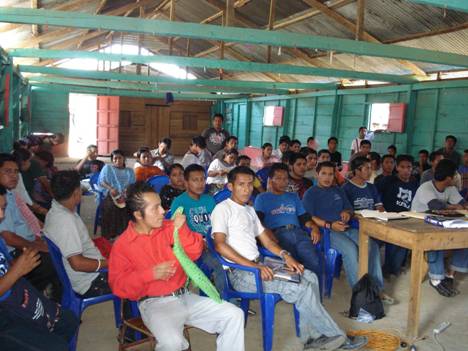
For the living Maya, epigraphy is so much more than epigraphy. A workshop held at ADICI-Wakliiqo headquarters in Coban, Alta Verapaz, is a perfect example.
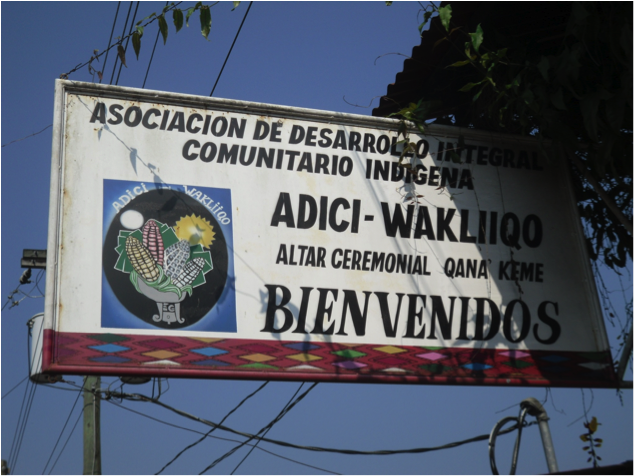
ADICI-Wakliiqo is a social service non-governmental organization focusing on sustainable agricultural development, fair trade, and environmental conservation within the context of community self-determination in the Q’eqchi’-speaking regions of Guatemala. So why epigraphy?

Para los mayas actuales, la epigrafía es mucho más que sólo epigrafía. Un perfecto ejemplo de esto podemos verlo en un taller que tuvo lugar en las oficinas de ADICI-Wakliiqo, en Cobán, Alta Verapaz, Guatemala.

ADICI-Wakliiqo es una organización no gubernamental de servicio social, dedicada al desarrollo agrícola sostenible, al comercio justo y a la conservación del medio dentro del contexto de la autodeterminación comunitaria en las regiones hablantes de q’eqchi’ en Guatemala. Habiendo dicho lo anterior, ¿qué tiene que ver esto con la epigrafía?
Continue reading

Posted in New

5 AJAW 3 SIP (May 15, 2012): The Stage is Set5 AJAW 3 SIP (15 de mayo de 2012): El escenario está listo

The rooms and auditoriums are ready. The campus is looking more beautiful than ever. The invitations have gone out, stamped and signed by Rector Carlos Bojorquez Urzais, president of University of the Orient. Dr. Bojorquez has personally embraced this event, opening his campus to the incoming throng of Maya epigraphers from the four corners of the Maya homeland (see blog post 11 Ajaw 3 Wo for the initial announcement).

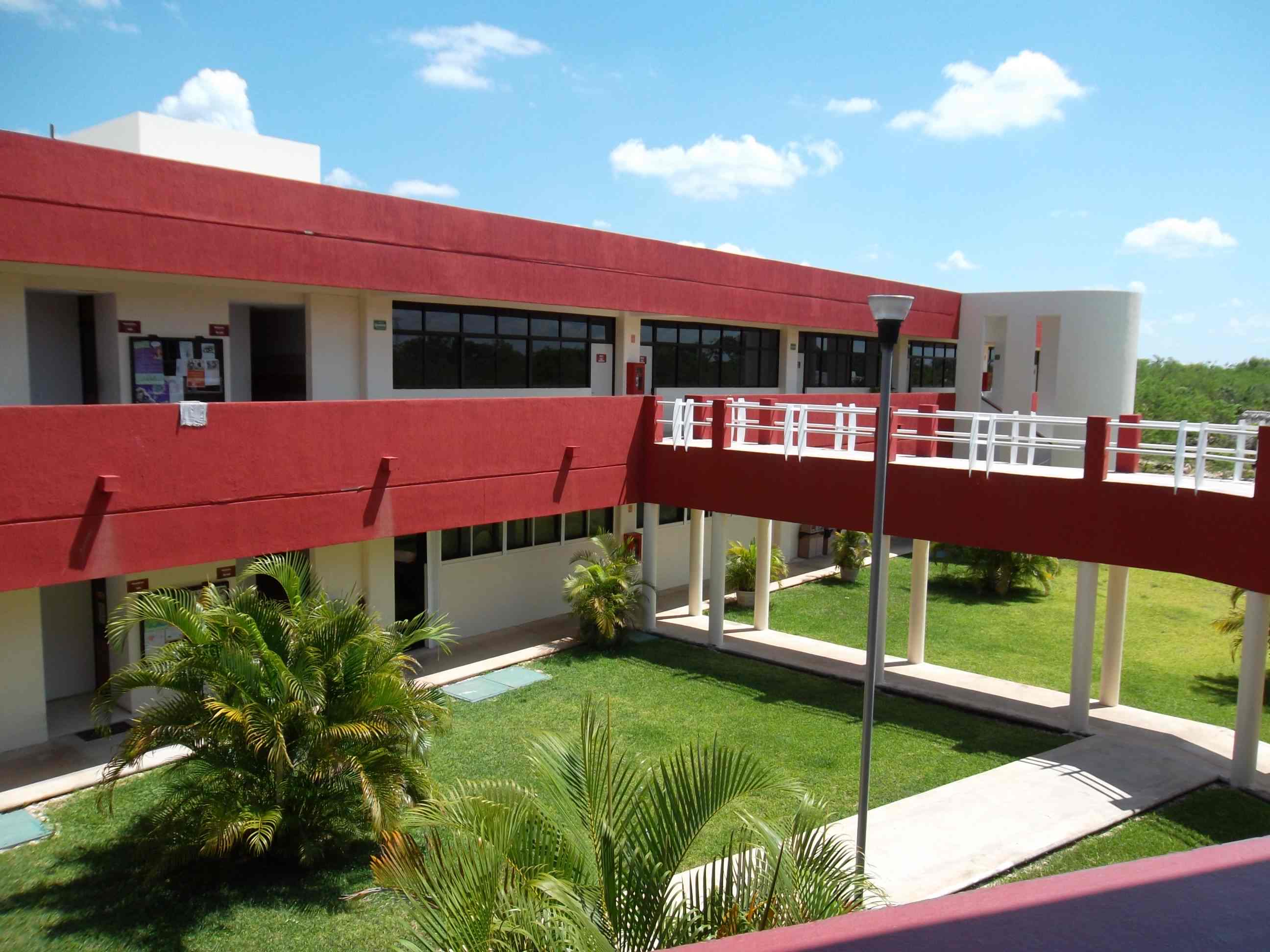
This beautiful new campus on the northern edge of Valladolid, Yucatán, will be hosting the Congress of Maya Epigraphers in June.

Los salones y los auditorios están listos. El campus se ve más hermoso que nunca. Las invitaciones ya se enviaron, selladas y firmadas por el Rector Carlos Bojórquez Urzais, presidente de la Universidad del Oriente. El Dr. Bojórquez en persona ha decidido acoger este acontecimiento, abriendo su campus al grupo de epigrafistas mayas que pronto emprenderán el camino desde los cuatro rumbos del mundo maya para coincidir aquí (ver la publicación en el blog del 11 Ajaw 3 Wo, si se desea leer el anuncio inicial del evento).

Este nuevo y hermoso campus, construido al norte de Valladolid, Yucatán, será sede del Congreso de Epigrafistas Mayas en junio.

Continue reading

Posted in New

11 AJAW 3 WO (April 25, 2012): ANNOUNCEMENT Congress of Maya Epigraphers. The legacy continues.11 AJAW 3 WO (25 de abril de 2012): ANUNCIO Congreso de Epigrafistas Mayas. El legado continúa.

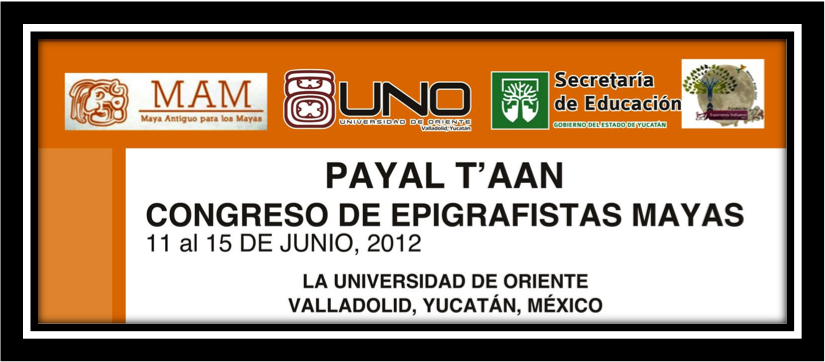
Announcing the first international Congress of Maya Epigraphers (Congreso de Epigrafistas Mayas).

In June, 2012, the University of the Orient in Valladolid (UNO), Educación Indígena of the State of Yucatán and Mayas for Ancient Mayan (MAM) will co-host an event of historic proportions.

Some 80 invited Maya scholars and students from Guatemala, Belize and Mexico will gather in Valladolid, Yucatán, for a week of workshops, lectures, and special events focused on the ancient writing.

Se anuncia el primer congreso internacional de epigrafistas mayas (Congreso de Epigrafistas Mayas).

En Junio de 2012, la Universidad de Oriente (UNO) de Valladolid, Educación Indígena del Estado de Yucatán y Maya Antiguo para los Mayas (MAM) co-organizarán un evento de dimensiones históricas.


Se ha invitado a unos 80 estudiosos y estudiantes mayas de Guatemala, Belice y México a reunirse en Valladolid, Yucatán  durante una semana, en el curso de la cual se darán talleres, conferencias y eventos especiales en torno a la escritura antigua. Continue reading

Posted in New

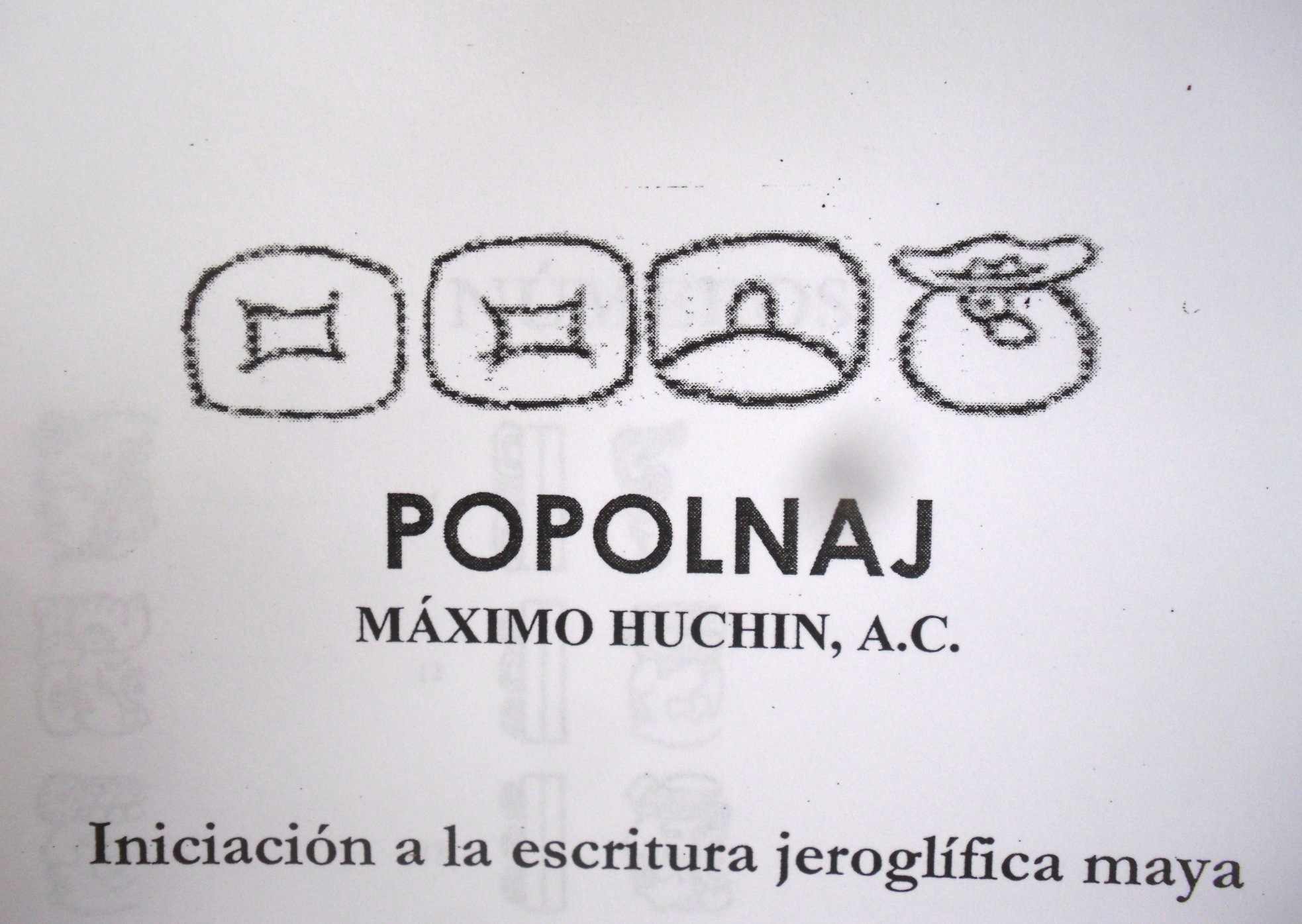
4 AJAW 3 POP (April 5, 2012): Popol Naj Máximo Huchin 4 AJAW 3 POP (5 de abril de 2012): Popol Naj Máximo Huchin

On June 5, 2011, a wonderful little workshop took place in Tizimin, Yucatan, presented by MAM colleague Ana Patricia Martínez Huchim and supported by a mini-grant from MAM.

Patricia founded the cultural center Popol Naj Máximo Huchin several years ago and has sponsored numerous language and cultural activities here in her home town.El 5 de Junio de 2011 tuvo lugar un pequeño pero maravilloso taller en Tizimín, Yucatán, presentado por la colega de MAM, Ana Patricia Martínez Huchim, y apoyado por un mini financiamiento de MAM.

Patricia fundó el centro cultural Popol Naj Máximo Huchin hace ya varios años y ha patrocinado varias actividades lingüísticas y culturales en su ciudad natal. Continue reading

Posted in New

10 AJAW 8 KUMK’U (March 16, 2012): Sak Chuen in action10 AJAW 8 KUMK’U (16 de marzo de 2012): Sak Chuen en acción

The Sak Chuen group (see previous blog, 3 AJAW 8 K’AYAB) is on call and travels throughout Guatemala to give glyph workshops.

In May, 2011, a team of Sak Chuen epigraphers went to the Department of San Marcos in the western highlands (a Mam language area) to give two workshops, a beginners and an intermediate, at the local ALMG office.El grupo Sak Chuen (ver blog anterior, 3 AJAW 8 K’AYAB) está trabajando y viaja por toda Guatemala dando talleres sobre la escritura glífica maya.

En Mayo de 2011, un equipo de epigrafistas de Sak Chuen viajó al Departamento de San Marcos, en las Tierras Altas occidentales (área en la que se habla la lengua mam), con el fin de dar dos talleres en la sede local de la ALMG: uno para principiantes y otro de nivel intermedio. Continue reading

Posted in New

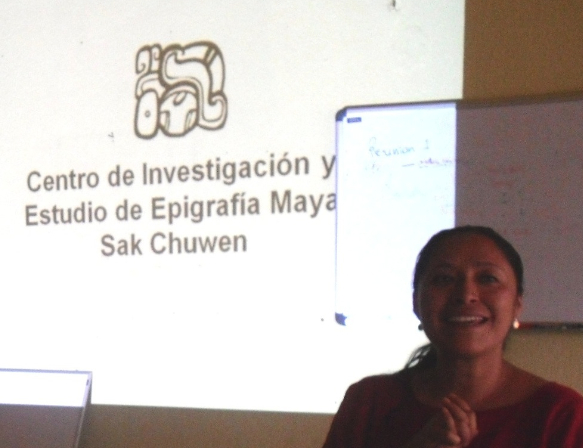
3 AJAW 8 K’AYAB (February 25, 2012): The Sak Chuen Center for Maya Epigraphy 3 AJAW 8 K’AYAB (25 de febrero de 2012): El Centro Sak Chuen de Epigrafía Maya

The Sak Chuen Center for Maya Epigraphy is a grass-roots effort making a difference in Guatemala.

Romelia Mo’ Isem, Maya Poqomchi’ and MAM colleague, is president and co-founder of the group.El Centro Sak Chuen de Epigrafía Maya es un proyecto comunitario de efectos importantes en Guatemala.

Romelia Mo’ Isem, mujer maya poqomchi’ y colega de MAM, es presidenta y cofundadora del grupo. Continue reading

Posted in New

9 AJAW 8 PAX (February 5, 2012): A people without history is like a tree without roots9 AJAW 8 PAX (5 de febrero de 2012): Un pueblo sin historia es como un árbol sin raíces

“ ‘A people without history is like a tree without roots,’ goes the famous saying. This is precisely what epigraphy signifies for the Maya people.” Antonio Cuxil, Maya Kaqchikel, MAM colleague.

Today, 9 Ajaw (February 5, 2012), we launch our new web site with our new name MAM: “Mayas for Ancient Mayan” and “Maya Antiguo para los Mayas.”

2011 saw our transition and change in focus. We no longer emphasize bringing Mayas to the workshops, now we bring the workshops to the Mayas.“ ‘Un pueblo sin historia es como un árbol sin raíces,’ reza el famoso refrán. Eso es precisamente lo que la epigrafía significan para el pueblo maya.” Antonio Cuxil, Maya Kaqchikel, collega MAM.

El día de hoy, 9 Ajaw (5 de febrero de 2012), lanzamos nuestro nuevo sitio de Internet, con nuestro nuevo nombre, MAM: “Maya Antiguo para los Mayas” y también “Mayas for Ancient Mayan.”

El año 2011 fue testigo de nuestra transición y del cambio de nuestra prioridad. Ya no ponemos el énfasis en traer a los mayas a los talleres. Ahora llevamos los talleres a los mayas. Continue reading

Posted in New

Report from HuehuetenangoReportaje del Huehuetenango

by Bruce Love, President, Friends of the Maya.

I am a happy to report a very successful day in Ixtahuacan, Huehuetenango with our colleague Ana Lopez. This is Mam country, on the western border of the Guatemala highlands. In fact this is the town where Nora England, one of our former board members, did her linguistic field work for her study of the Mam language.por Bruce Love, Presidente del Amigos de los Mayas

Me alegra reportar un día de muchos logros en Ixtahuacan, Huehetenango con nuestra colega Ana Lopez. Este es el territorio Mam, localizado en la frontera Poniente de las tierras altas de Guatemala. En realidad, fue el pueblo en donde Nora England hizo trabajos  lingüísticos de campo para el estudio del idioma Mam. Continue reading

Posted in New

Valladolid 2010Valladolid 2010

Valladolid workshop with Crisanto and Patricia

by Bruce Love

In May, 2010, I gave a workshop in Valladolid, Yucatán, at the invitation of FoM colleague Crisanto Kumul. Attending were “high school” students from Crisanto’s home town of Siisbicch’en and university students from UNO (Universidad del Oriente), all speakers of Mayat’aan (Yucateco). The setting was perfect, in an old converted hacienda on the northern outskirts of town. FoM colleague Patricia Martínez Huchim from nearby Tizimin assisted.

The workbook gave an introduction to the Maya calendar and the Maya Codices. When I called for a break the students would not leave their seats. Instead they used the opportunity to really get into it with the other students.

Valladolid taller con Crisanto y Patricia

por Bruce Love

En el mes de Mayo del 2010, conduje un seminario en Valladolid, Yucatán, por invitación del colega miembro de FoM Crisanto Kumul. Participaron estudiantes de secundaria del pueblo Siisbicche’en  en donde vive Crisanto y estudiantes universitarios de la UNO( Universidad del Oriente) todos maya parlantes de Mayat’aan (yucateco).  El escenario fue perfecto, localizado en una antigua hacienda en las orillas del norte de la ciudad.  Patricia Martínez Huchim, otra colega del FoM originaria de Tizimin, participó también.

El cuaderno de trabajo ofreció una introducción al calendario y los Códices Mayas. Continue reading
Posted in New

Hector Lancetillo WorkshopTaller de Hector Lancetillo

XWOTZB’AL LI MAYA’ TZ’IIB’ SA’ XTEEPAL AJ Q’EQCHI’, SA’ AKTE’
Sharing Maya writing in Q’ekchi’ territory, Lancetillo, Uspantán, Quiché
Oct. 22, 2009

Thanks are given for the invitation made by Professor Carlos Oxom, Maya Q’eqchi’, to share the Maya writing with students of the Institute for Teachers in Bilingual Primary Schools (Q’eqchi’-Spanish) Intercultural Program, a program of the Development Project Santiago-PRODESA.

XWOTZB’AL LI MAYA’ TZ’IIB’ SA’ XTEEPAL AJ Q’EQCHI’, SA’ AKTE’
COMPARTIENDO EL MAYA’ TZ’IIB’ EN TERRITORIO Q’EQCHI’, LANCETILLO, USPANTÁN QUICHÉ.
22-10-2009

Gracias a la invitación que me hiciera el profesor Carlos Oxom, maya’ Q’eqchi’, para compartir el maya’ tz’iib’ con estudiantes del Instituto de Magisterio Primaria Bilingüe (Q’eqchi’-castellano) Intercultural, programa del Proyecto de Desarrollo Santiago-PRODESSA. Continue reading

Posted in New