10 Ahaw 18 Ch’en (September 24, 2025)

In order the access this post in Spanish, click here
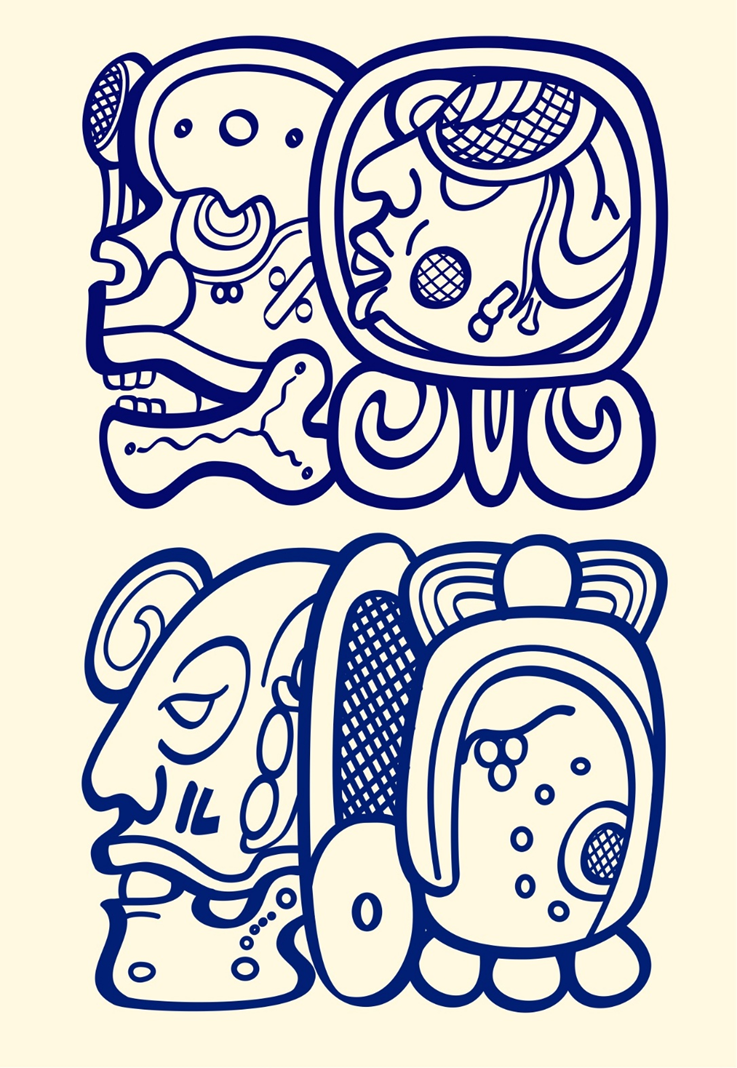
A yellow and blue sign

Glyph Block 10 Ahaw 18 Ch’en drawn by Jorge Pérez de Lara.

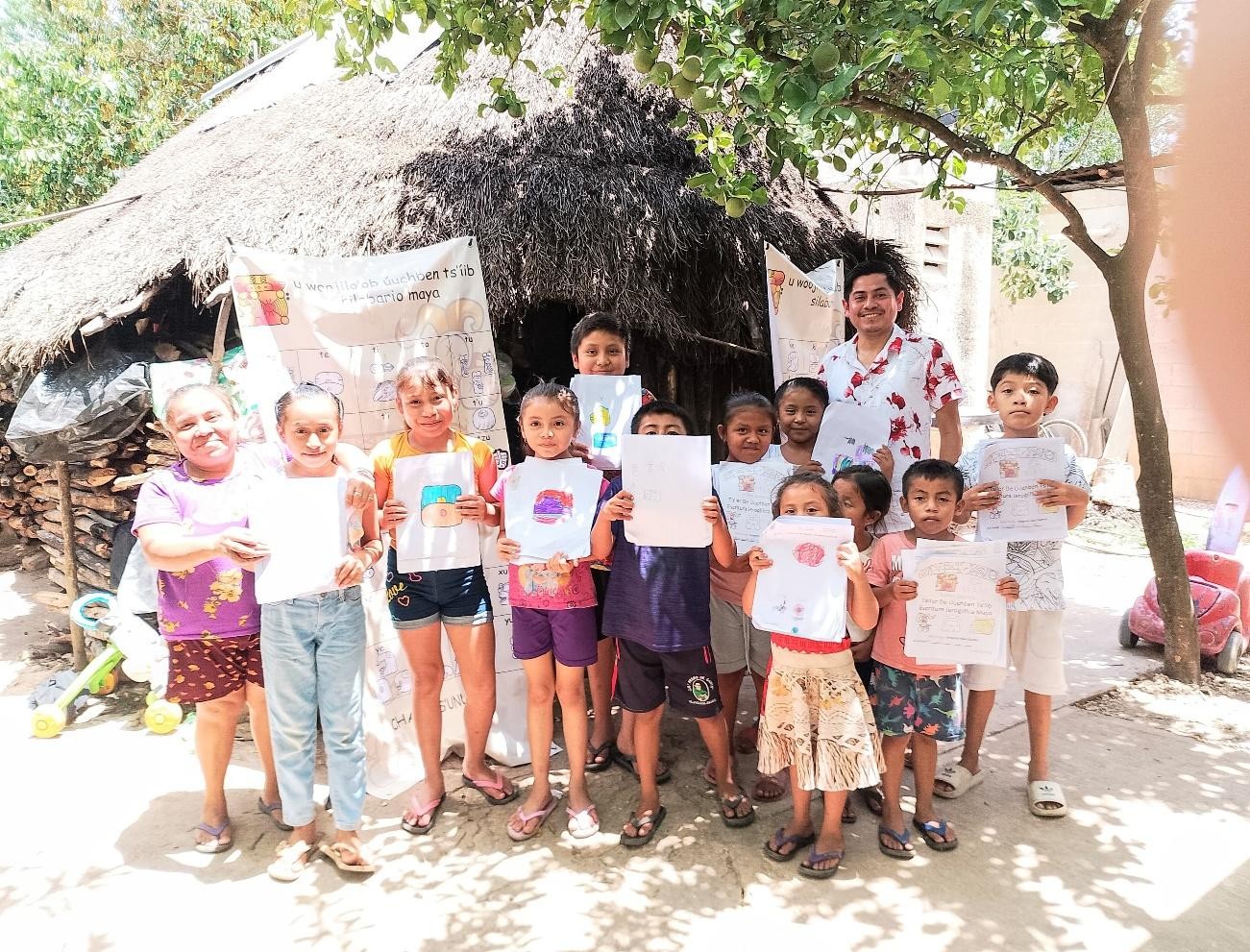
A group of children holding up signs

Description automatically generated

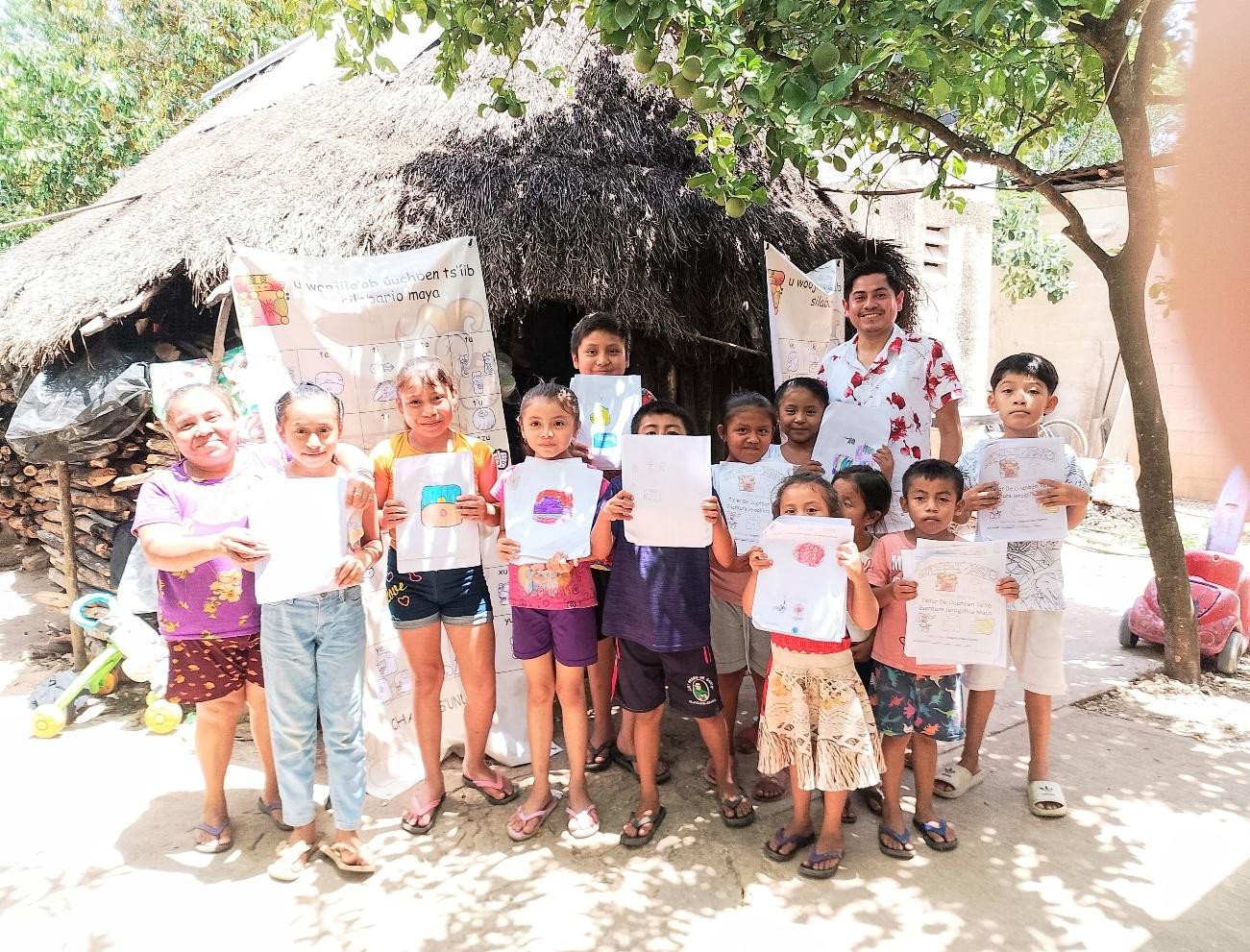
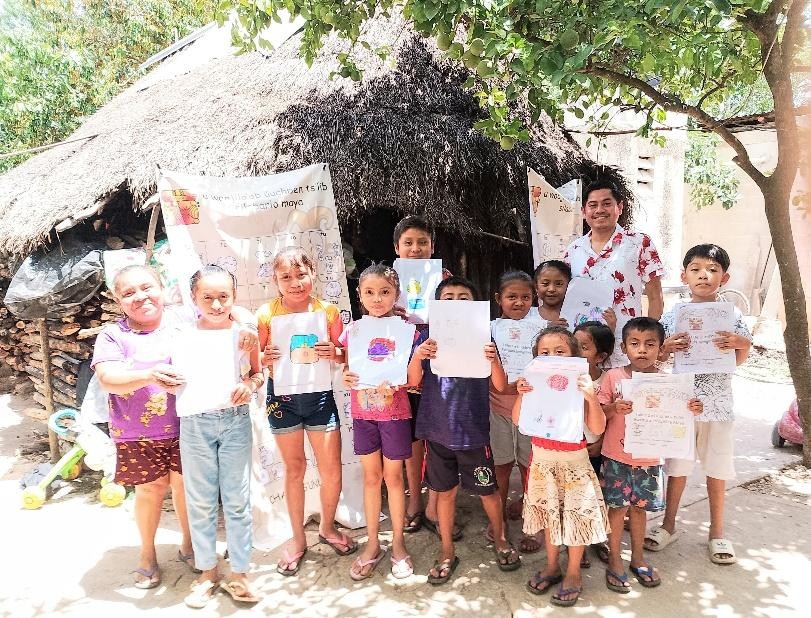
Group photo with Gregorio Hau Caamal and the children of X-Alau.

10 Ajaw 18 Ch’en (September 24th, 2025)
Múul Meyaj, Múul Áantaj, Múul Kaambal:
Teamwork Achieves Better Results—the Uuchben
Ts’iib Workshop in X-Alau, Yucatán

It has been a busy summer, and I have had to take a break from our regular blogs every 40 days, during which time we have been reorganizing and brainstorming at MAM. Many of our Maya colleagues have been busy carrying out various workshops around the region using funding from MAM mini-grants. Due to the increasing challenges of international travel, we are likewise considering more regionally targeted Congresos, rather than attempting to have one larger international Congreso every other year, as was our previous format.

We had a very productive meeting of the Executive Committee in August, where we were fortunate to have the participation of several additional colleagues, including Beth Spencer, who had previously worked with MAM for many years as our Secretary, as well as my good friends Alonso Mendez and Barb MacLeod. Alonso is a fellow archaeoastronomer, as well as being Tzeltal Maya from Tenejapa, Chiapas, and we are excited to have more of his input and participation in MAM. Barb is a world-renowned epigrapher and linguists, and she has likewise participated in the last two Congresos. Barb generously helped to translate and format this month’s excellent report from Gregorio Hau Caamal, particularly as I have been facing increasing responsibilities as Chair of my department at Sacramento City College as the teaching year once again begins.

We hope to soon update all of you about the various proposals on the table as we figure out how to best serve the Maya communities with whom we work, and their diverse needs.

Enjoy this wonderful report and photographs from Gregorio Hau Caamal and the children of X-Alau in Chemax, Yucatán!

Yum bo’otik,

Michael Grofe, President
MAM

Report on the Uuchben Ts’iib Workshop
Ancient Maya Writing
Given by Gregorio Hau Caamal
With Resources from MAM

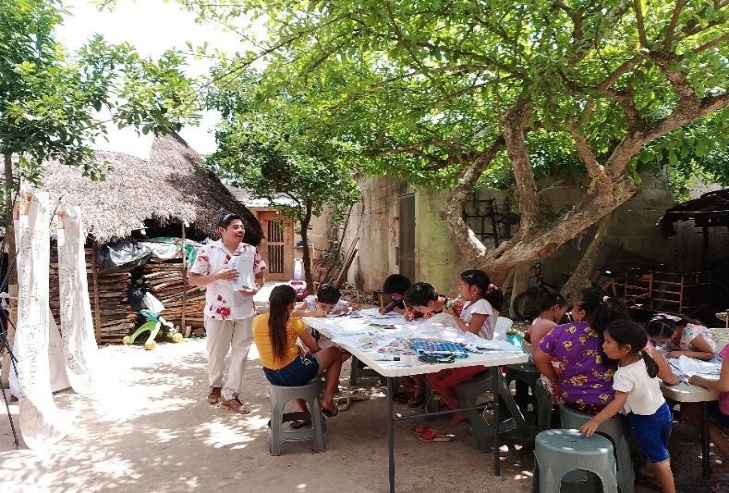
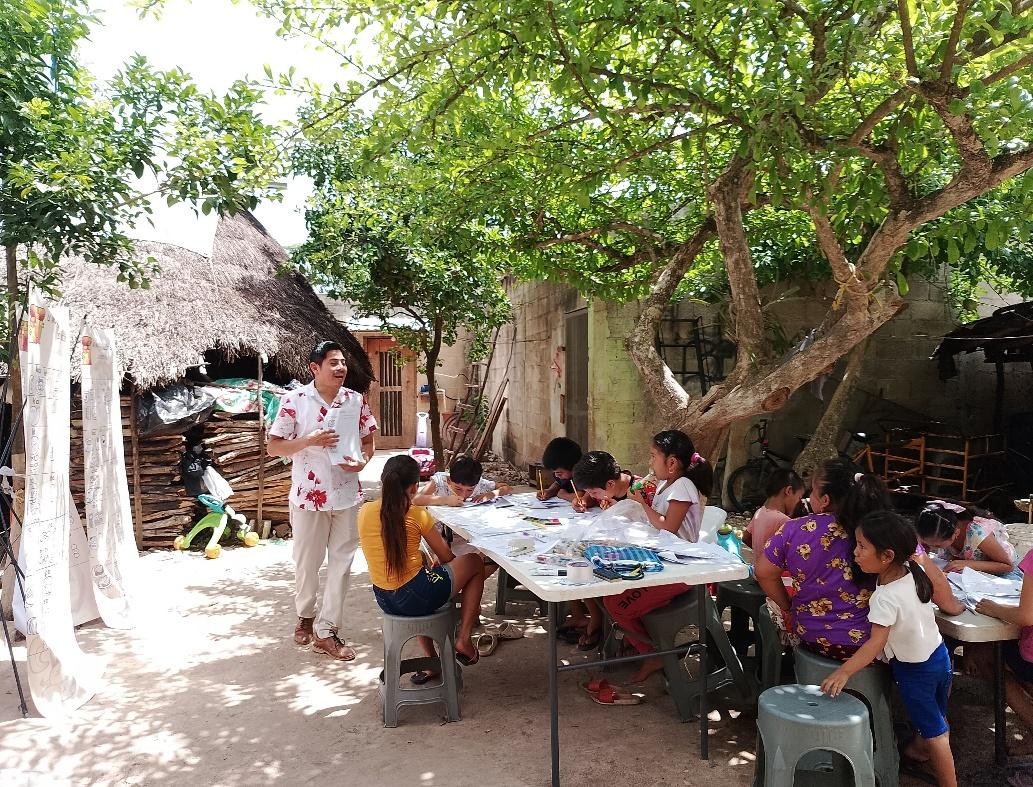
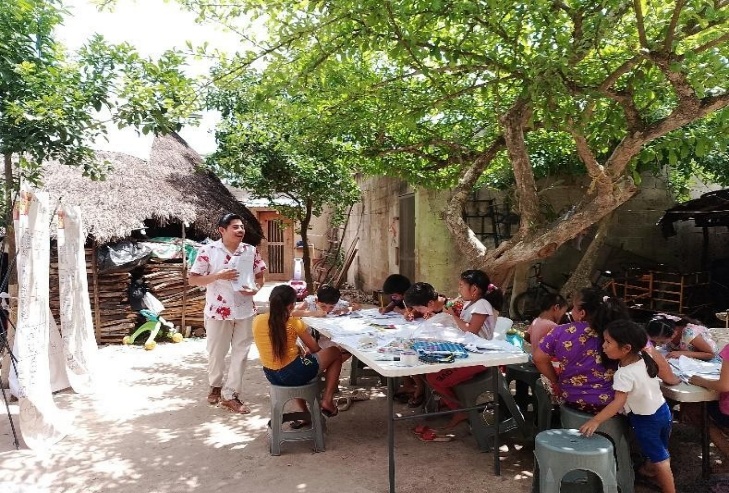
A workshop on úuchben ts’íib was held for children aged 8, 9, 10, and 12 years in the community of X-Alau in the municipality of Chemax, Yucatán, Mexico. Under the shade of the luuch (gourd) tree, the children awakened the memory of our grandparents and the ajts’íib. On that day, 12 Ets’nab 16 Soots’, they wrote with the úuchben ts’íib, the ancient Maya script also known as Maya hieroglyphs.
A group of children sitting around a table

Description automatically generated

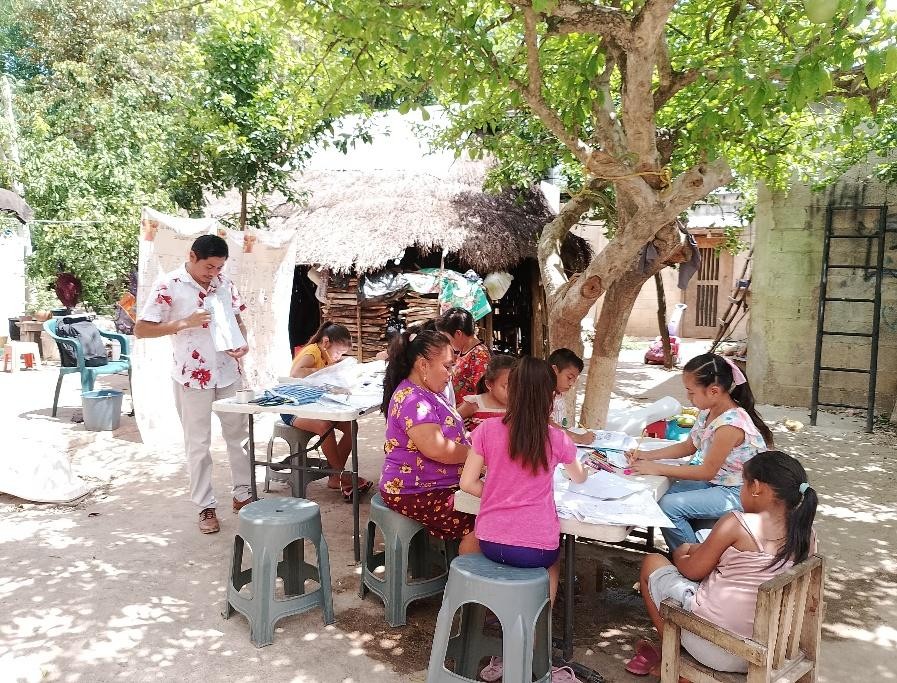
Image 1.- The teacher explaining the úuchben ts’íib to the group.

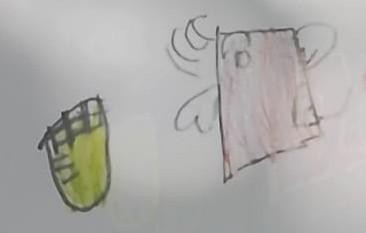
The community garden is a space where one plants and harvests, where one teaches and learns, where life, food, language, and identity are cared for and preserved. In this context, it was agreed to hold the workshop in the garden or the back yard of the house, because it is an optimal space for learning and the children responded to the call on the day they were convened.

The workshop was a success, because on that day they were very attentive, observing and listening. They asked questions, shared reflections, wrote, and collaborated with each other to carry out the requested activities.

In this workshop, each child achieved:

➢ Identifying syllables with the syllabary.

➢ Writing the corresponding syllable in their working materials.

➢ Knowing the rules, the order of reading and writing of a block of glyphs.

➢ Writing the name of a known animal.
A group of children drawing on paper

Description automatically generated

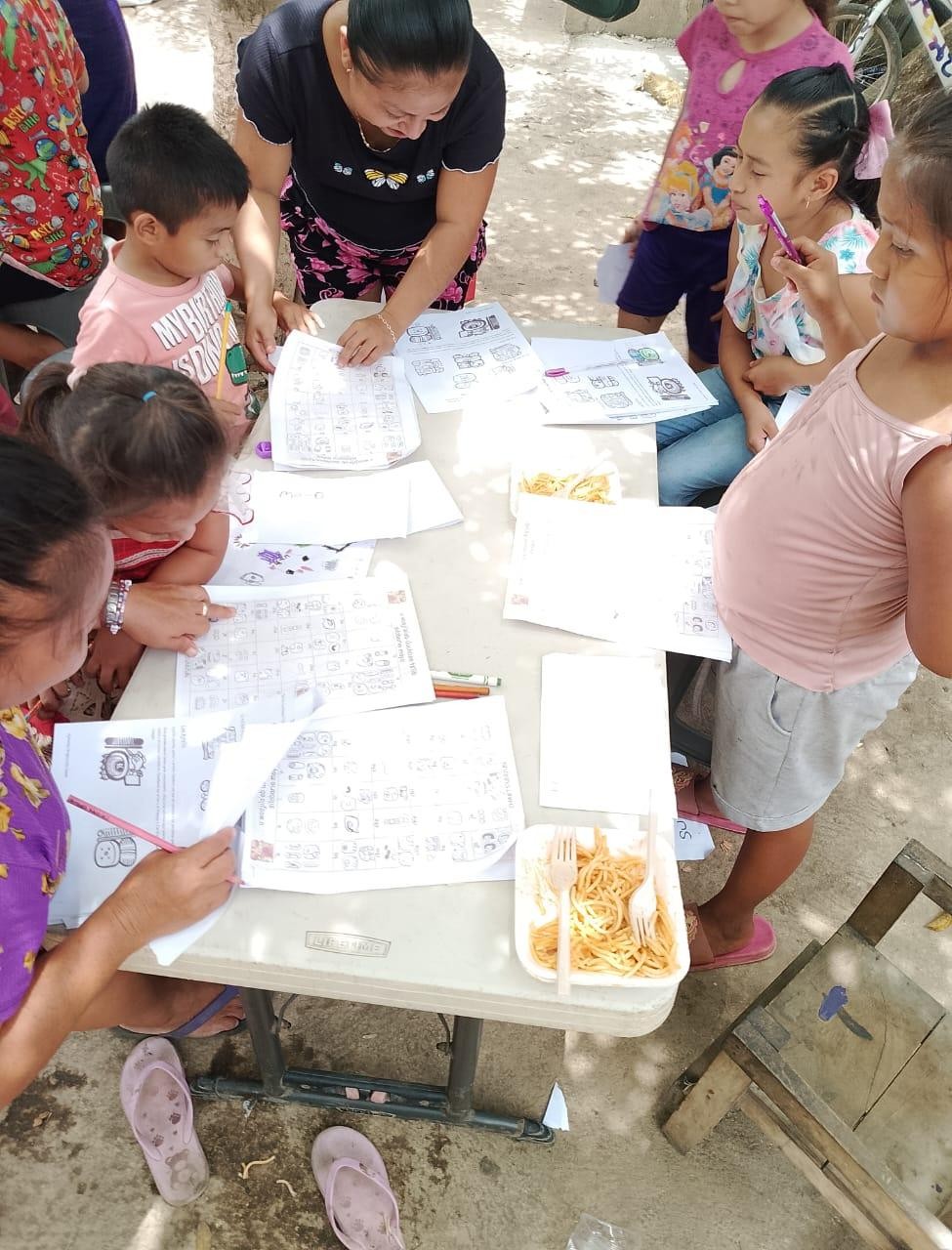
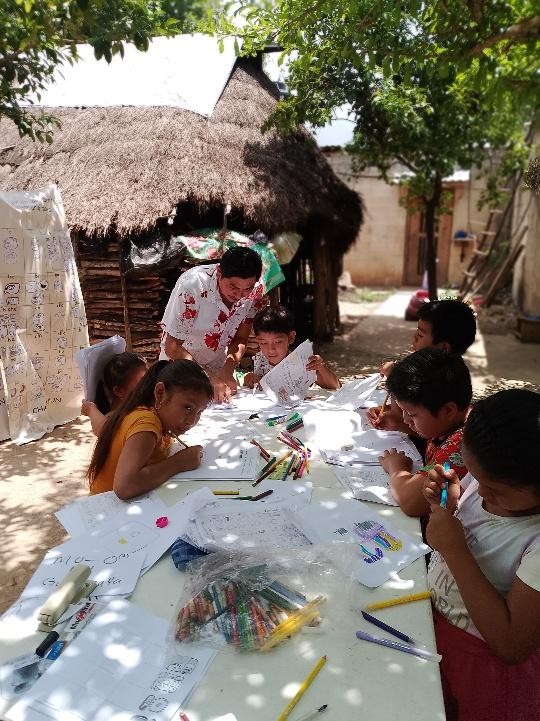
Image 2.- The teacher addressing students’ questions.
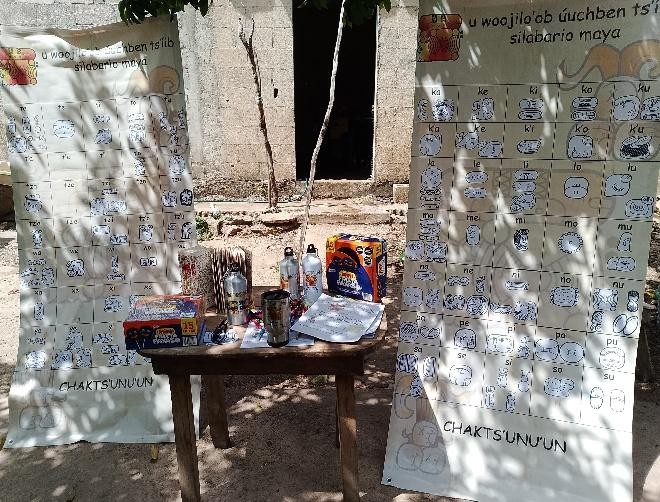
A table with signs and drinks on it

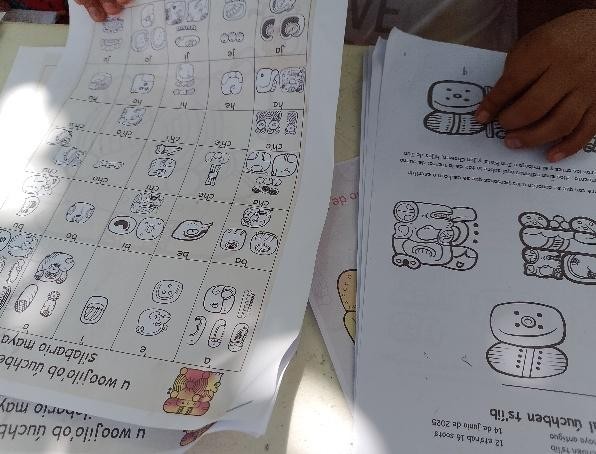
Description automatically generated A close-up of a person's hands holding a paper

Description automatically generated


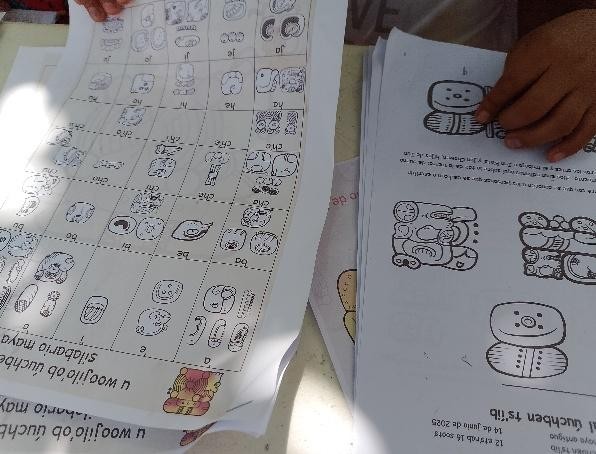
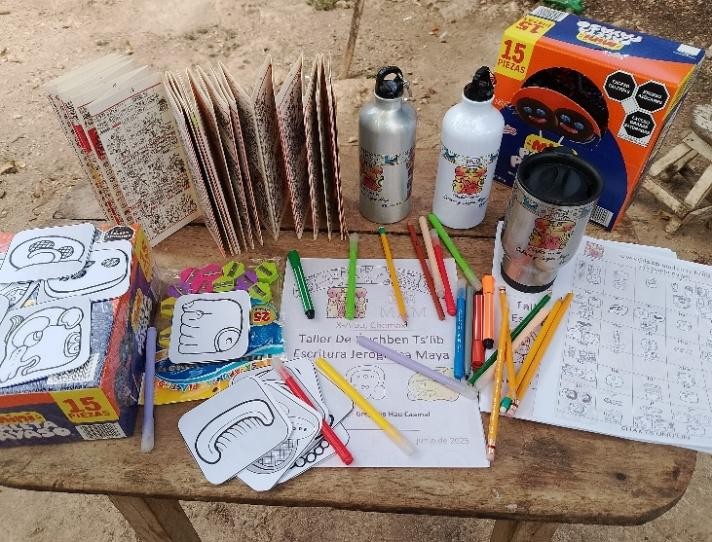
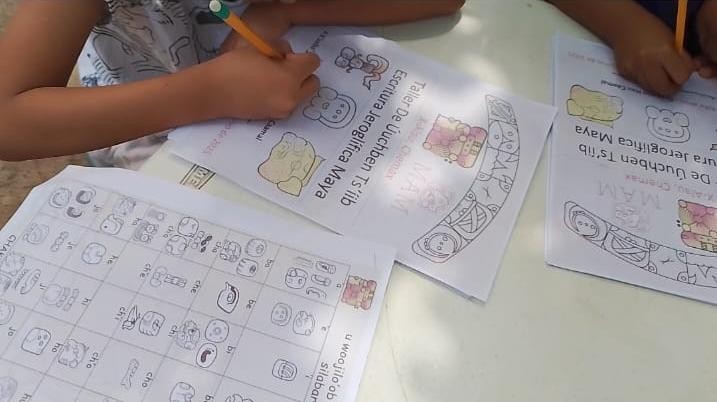
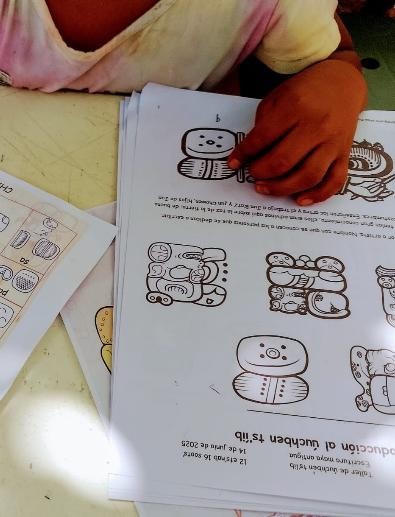
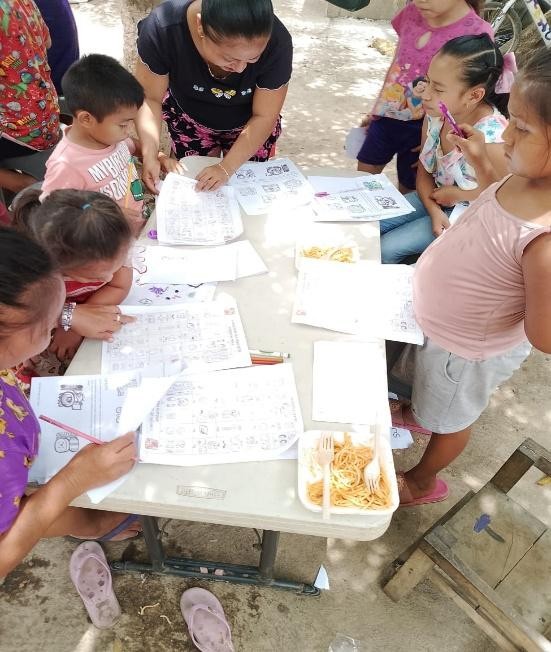
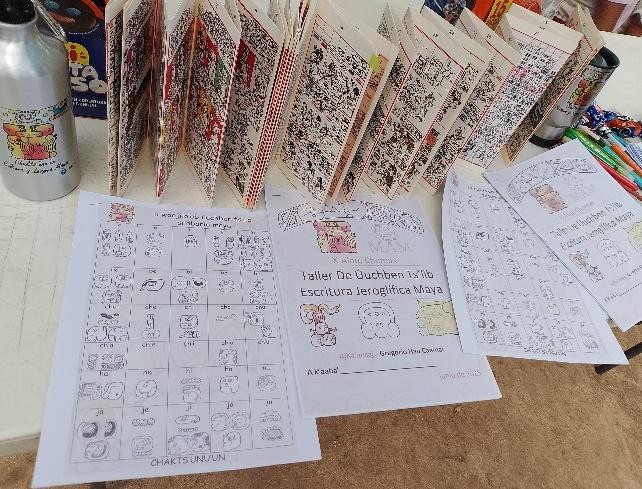
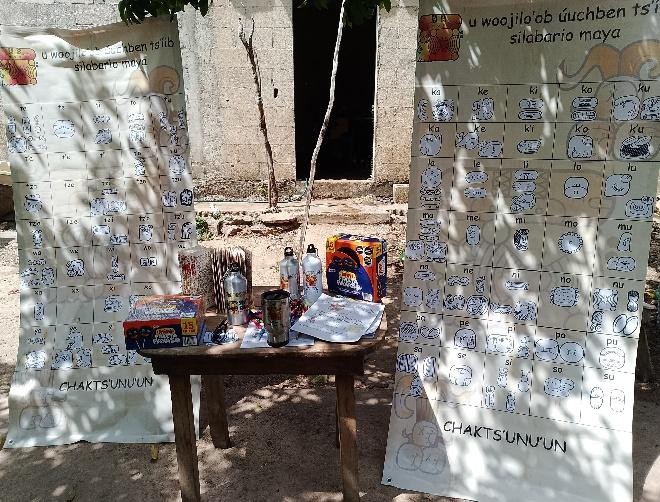
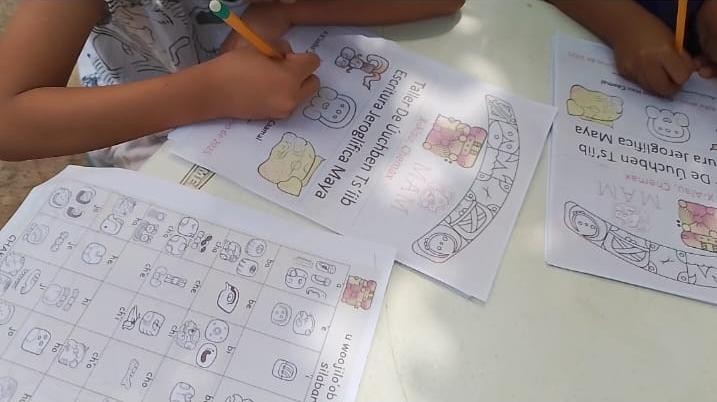
Image 4.- Pages of the Maya syllabary and blocks of Maya glyphs.

Image 3.- Large sheets with the Maya syllabary.
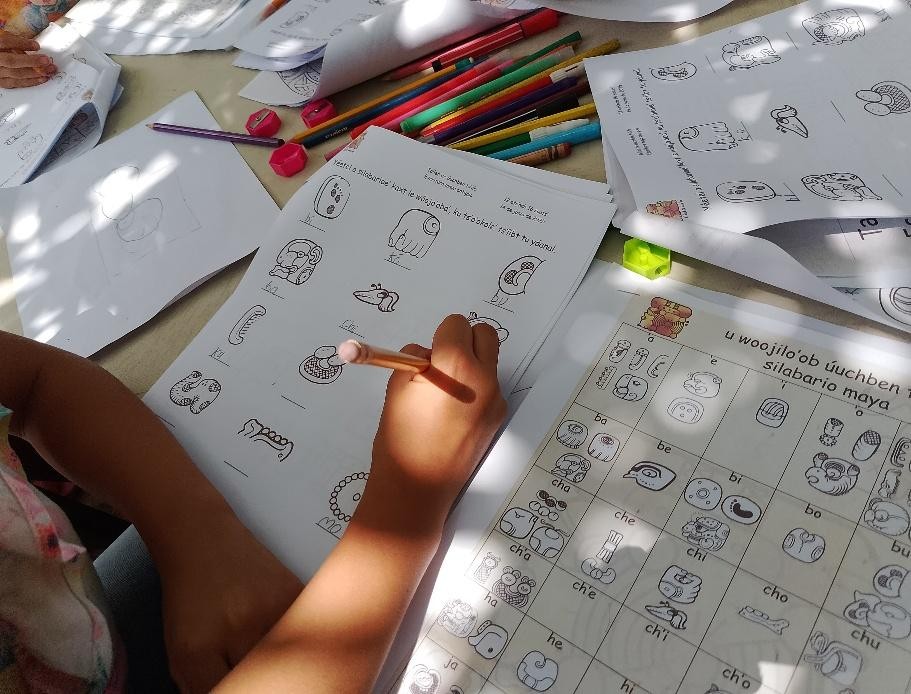
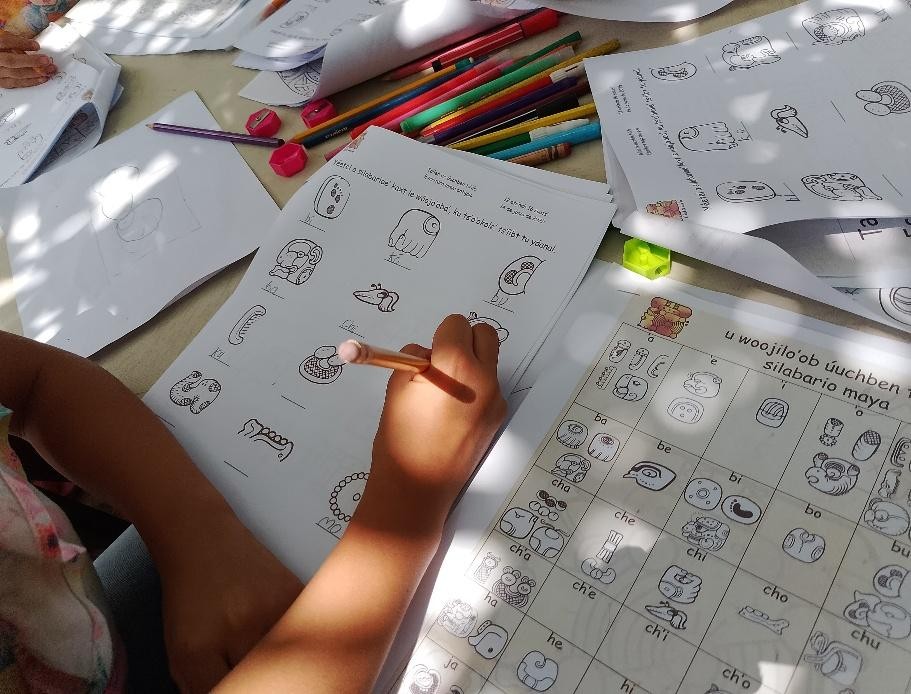
A person drawing on a piece of paper

Description automatically generated

Image 5.- Writing the corresponding syllable.

In this way we contributed to the strengthening of knowledge that our grandparents have passed down to us in oral tradition. In ancient Maya writing, one finds confirmation of everything that our parents and ancestors used to tell. All of this is recorded in the úuchben ju’un or codices, and on the stelae and lintels of the wíitso’ob or múulo’ob.
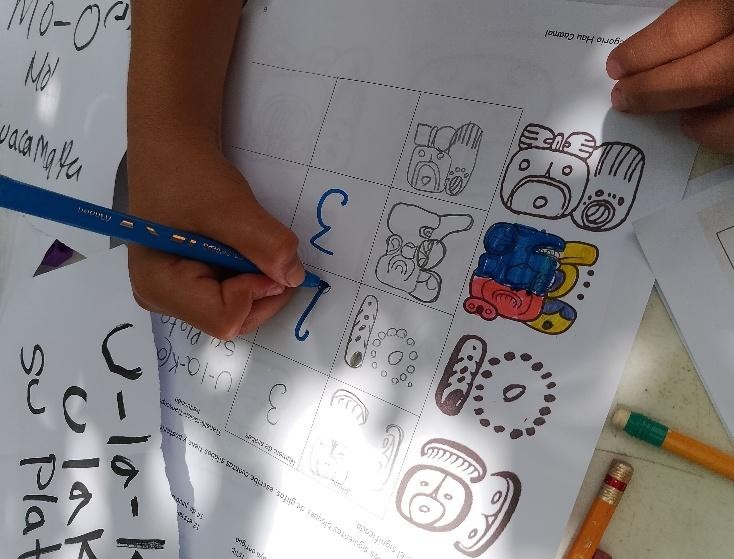
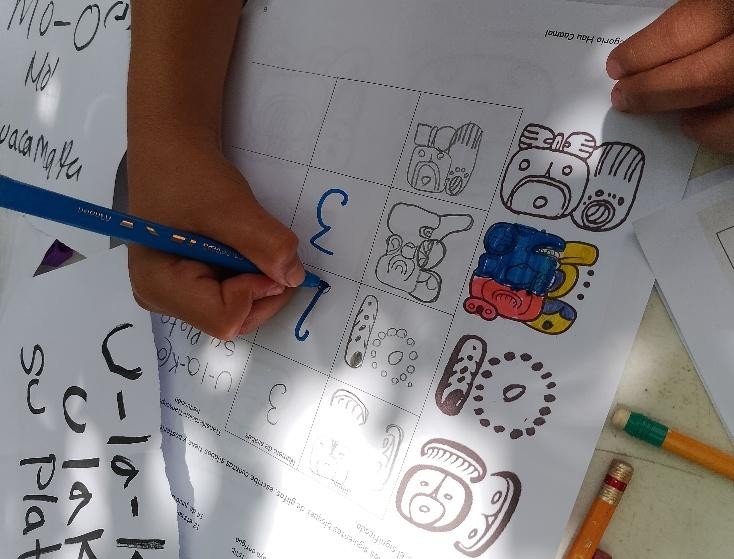
A person drawing on a piece of paper

Description automatically generated

Image 6.- Writing and identifying syllables in blocks of glyphs.

Another goal was to reinforce and promote the Maya language, since this workshop was taught in the children’s mother tongue, which is Maayat’aan. Reconnecting with the writing of our grandparents is to recognize the úuchben ts’íib as evidence that the tsikbalo’ob told to children and young people are a truth not limited to simple stories, myths, or legends, and are as deep as the roots of the jícara tree where the workshop was held. This tree has survived different chak ik’alo’ob (hurricanes), so much so that several generations have harvested and continue to harvest its fruits.
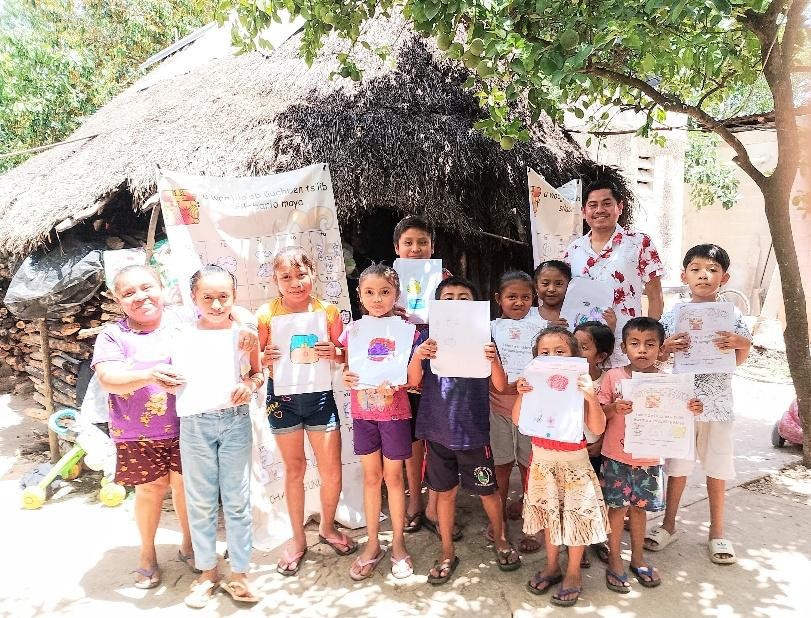
A group of children holding signs

Description automatically generated

Image 7.- Group photo of the children who took the úuchben ts’íib workshop.

Between children and adolescents, there were a total of 15 participants, including one adult who joined the workshop to accompany their children. The start date was June 14 at 9:00 am in a known location in the village. All participants were welcomed, but not before passing by the table to receive their respective work materials: pencil, colors, white sheets, markers, the syllabary, and the workbook.
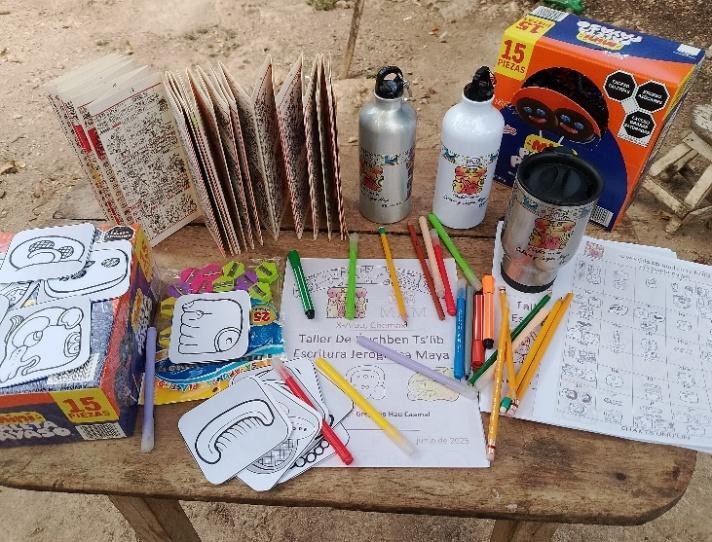
A table with various coloring books and pencils

Description automatically generated

Image 8.- Table where the material was set out for its respective delivery.

The material used to conduct this workshop was taken from sources such as Harri Kettunen and Christophe Helmke’s ‘Introduction to Maya Hieroglyphs’ and Alfonso Lacadena’s ‘Appendix I: List of Maya Logograms,’ generating a small booklet for easy-to-understand teaching material for children.
A child writing on a piece of paper

Description automatically generated

Image 9.- Children writing their name in their work booklet.

To recall and remember some of the ceremonial sites or any place where there might have been vestiges of Úuchben ts’íib or ancient Mayan writing that survived the time of colonial contact, the children named some known and even visited sites such as Palenque, Ek Balam, Uxmal, and Chichen Itzá, among others.

It was also explained to them that there were people dedicated to painting and writing who were and are called AJ TSÍIB, and that one day they could become one if they set their minds to it. They learned the importance of reading, studying, and writing, and most importantly, listening to and understanding what our grandparents tell us when they speak about the yuntsilo’ob, the fathers or mothers who live in the mountains or jungle (some call them gods). While they reviewed the syllabary, they were taught that the basis of the ancient Maya writing consists of many signs and symbols known as hieroglyphs, or simply glyphs.
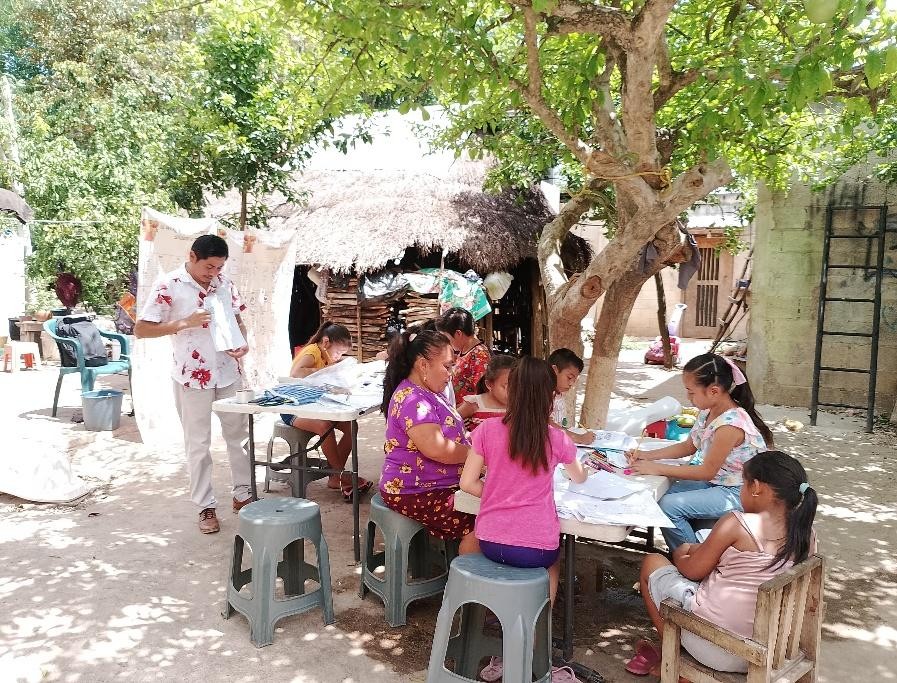
A group of people sitting at tables outside

Description automatically generated

Image 10.- The teacher explaining to the children who is an aj ts’íib and who can become one.

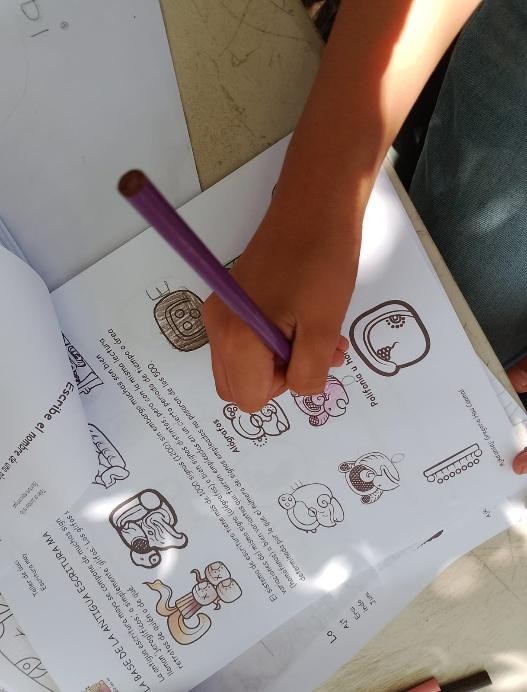
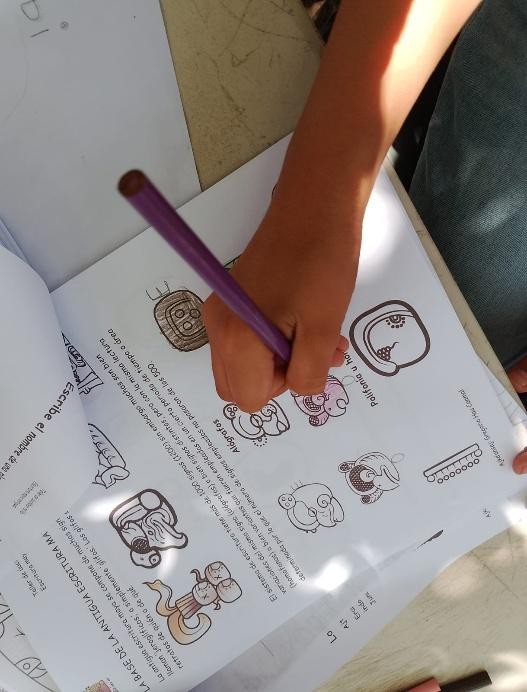
During their exercises with the syllabary, the children discovered that despite there being many signs, many of them are variations of the same sign, or there can also be a different sign but with the same meaning, for which several examples were given.
A person holding a pencil over a piece of paper

Description automatically generated

Image 11.- Identification of the variations of the same sign.

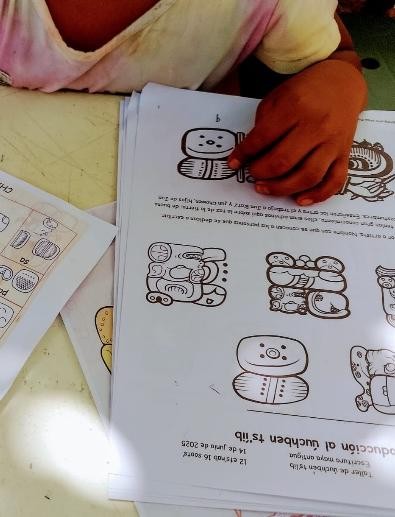
In the material provided along with their syllabary, either individually or in teams, the children were identifying syllables which, once they were recognized, they indicated out loud to which syllable it was. After identifying the syllables, they proceeded to study the reading order within a text and within a block. For this, the children relied on their work materials.
A child reading a book

Description automatically generated

Image 12.- A student identifying the reading and writing order of a block of glyphs.

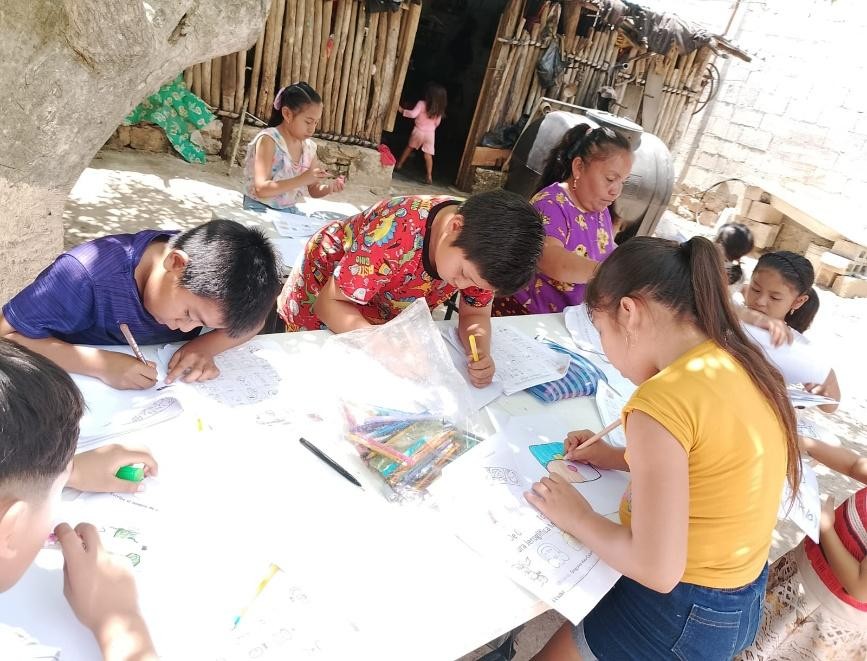
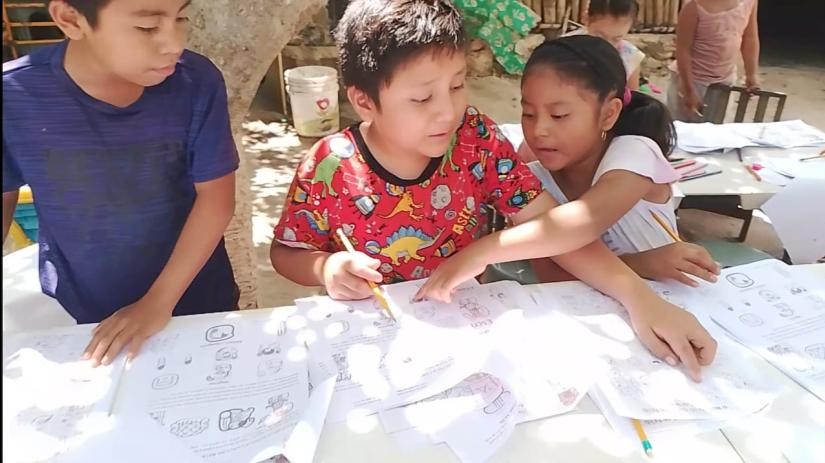
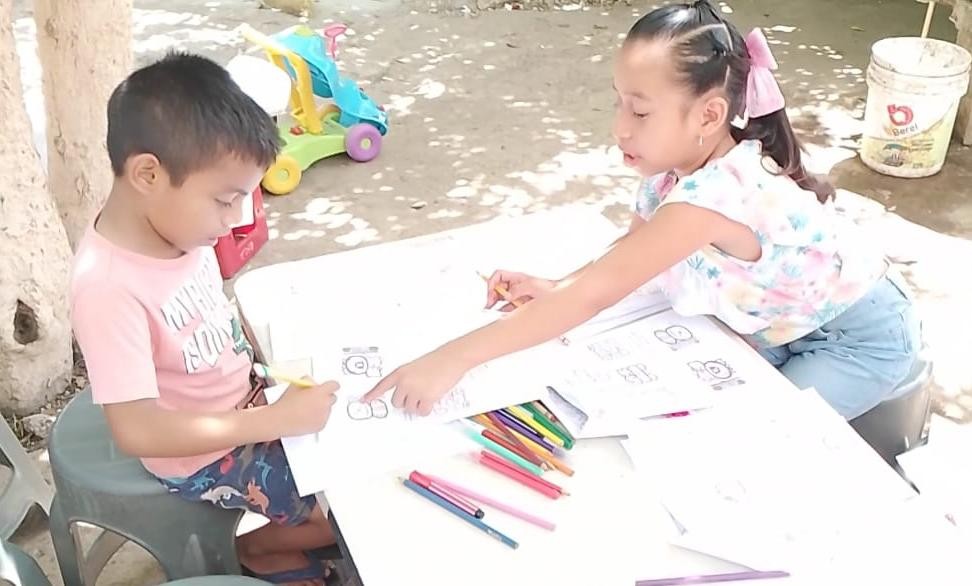
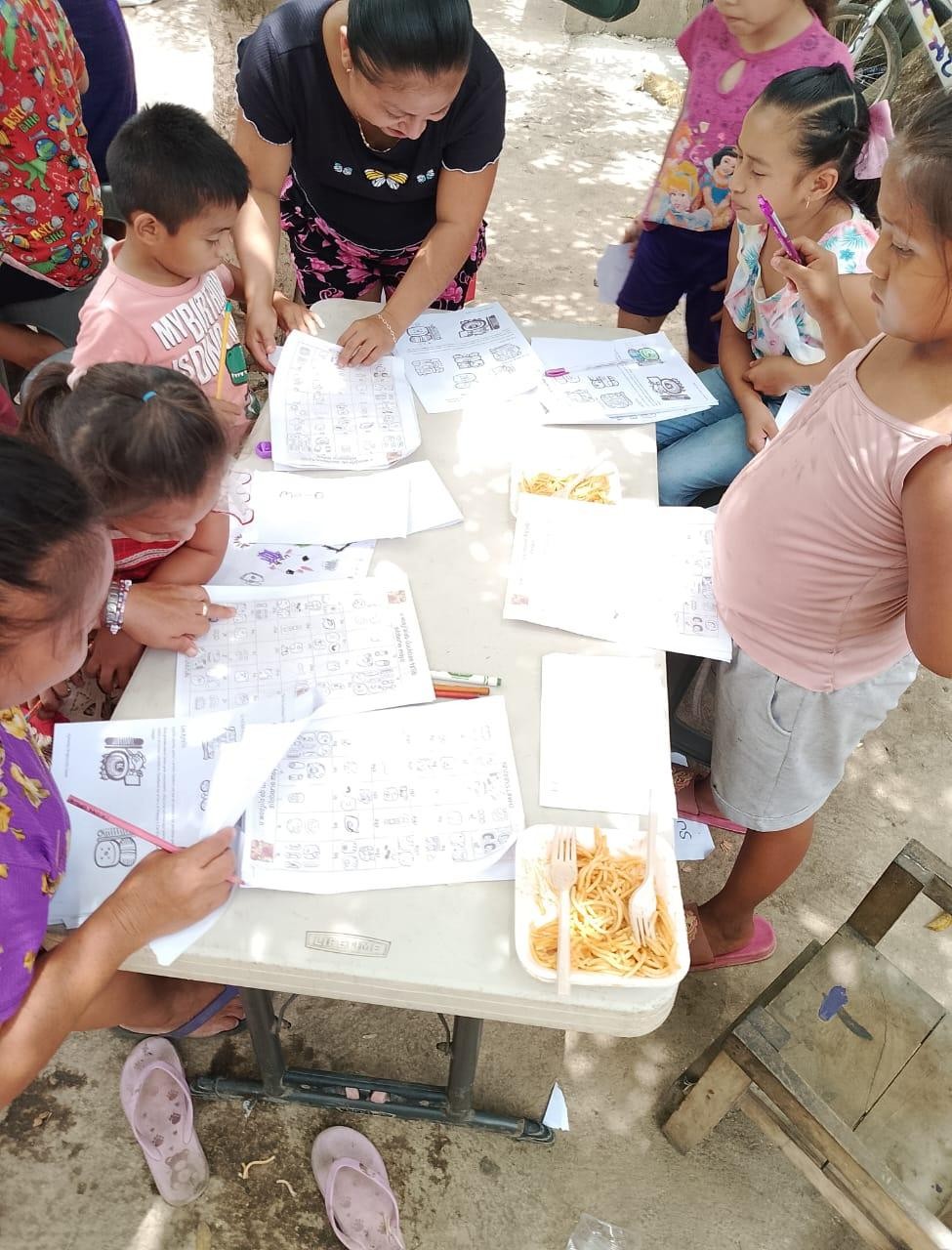
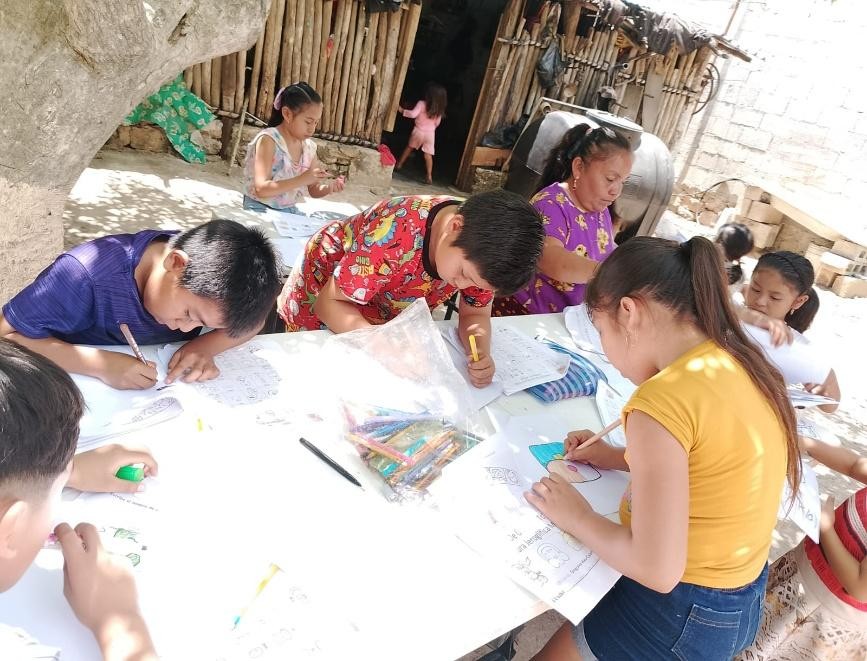
With the exercises from the teaching material, each student dedicated themselves to developing the exercises with the support of their classmates, guided by the instructor. Occasionally, the students themselves took on the task of teaching their peers. This is a demonstration of múul áantaj, mutual support to strengthen learning and knowledge.
A group of children drawing on paper

Description automatically generated

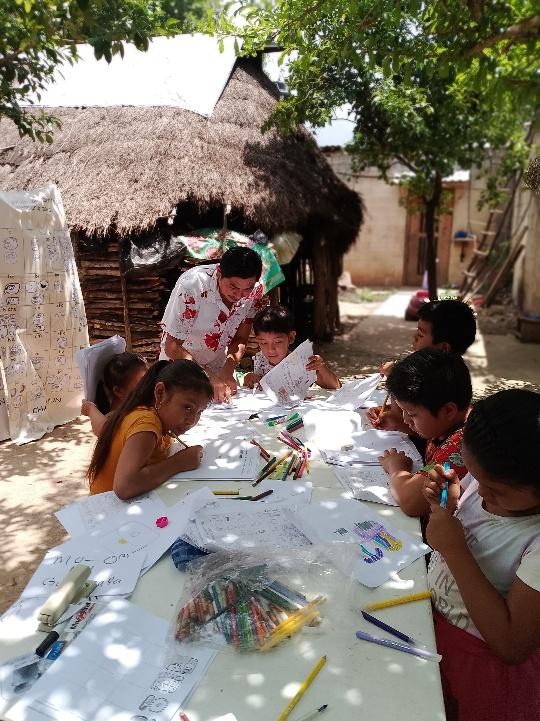
Image 13.- Students solving exercises, painting, and writing glyphs.

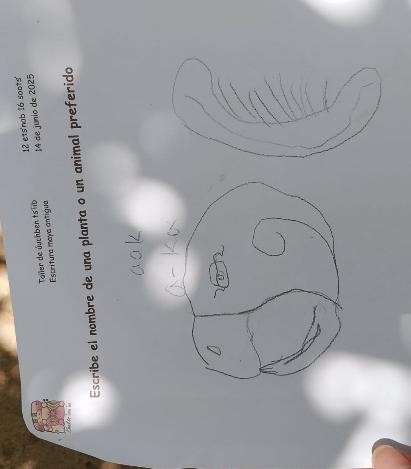
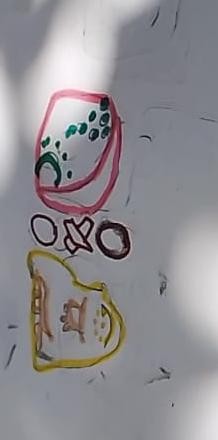
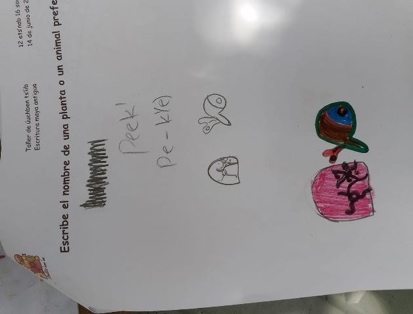
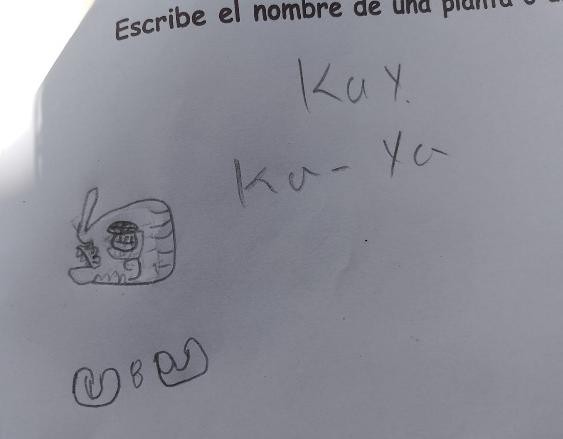
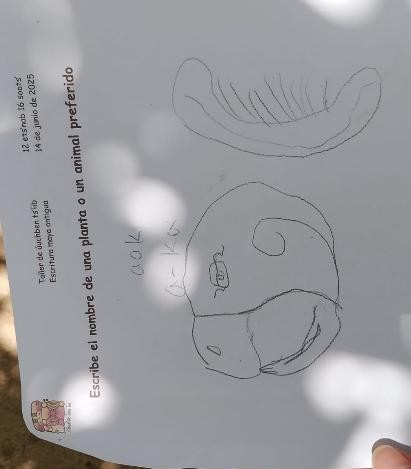
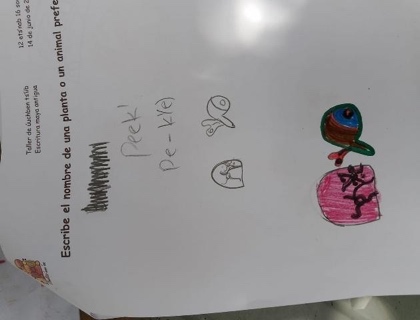
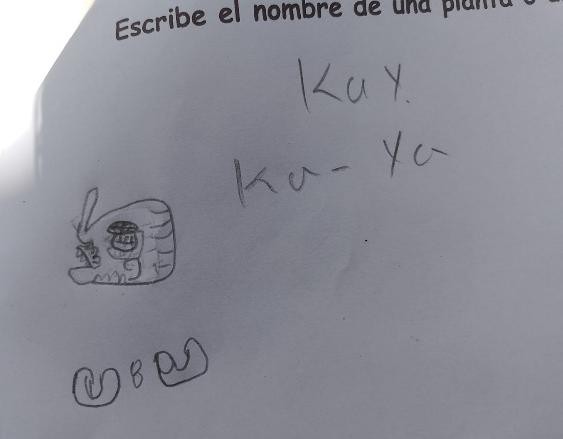
Once the children completed the exercises, they proceeded to verify if they were indeed correct. Once the syllabary was understood and the reading and writing order of the blocks of glyphs was established, they set out to create the final product, which consisted of writing in glyphs the name of an animal or an endemic tree from the region.
A white paper with writing on it

Description automatically generated A piece of paper with writing on it

Description automatically generated A drawing on a paper

Description automatically generated

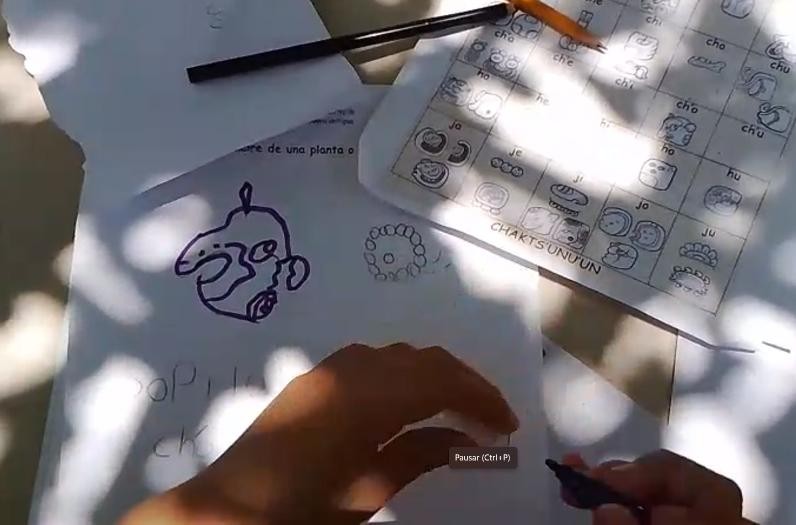
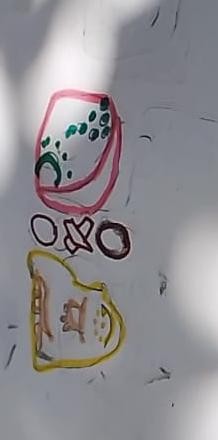
Images 14, 15, and 16.- From left to right, some final products. Development of a block of glyphs that consisted of writing the name of an animal or a plant from the region.

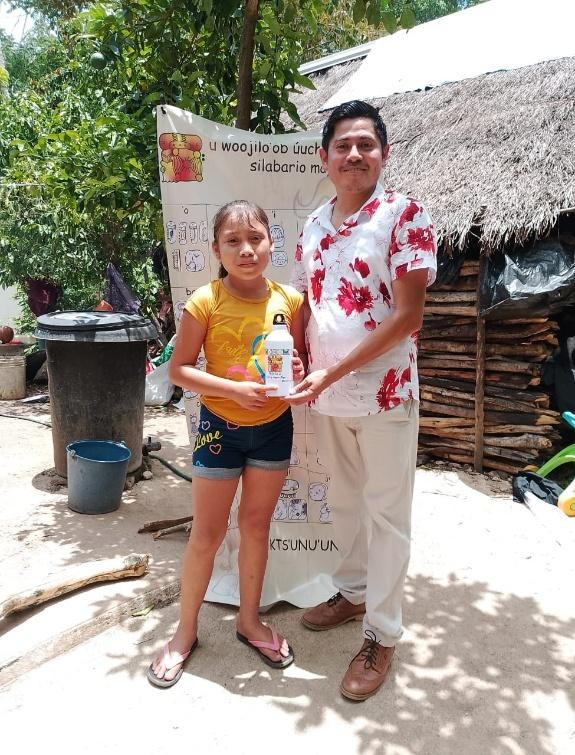
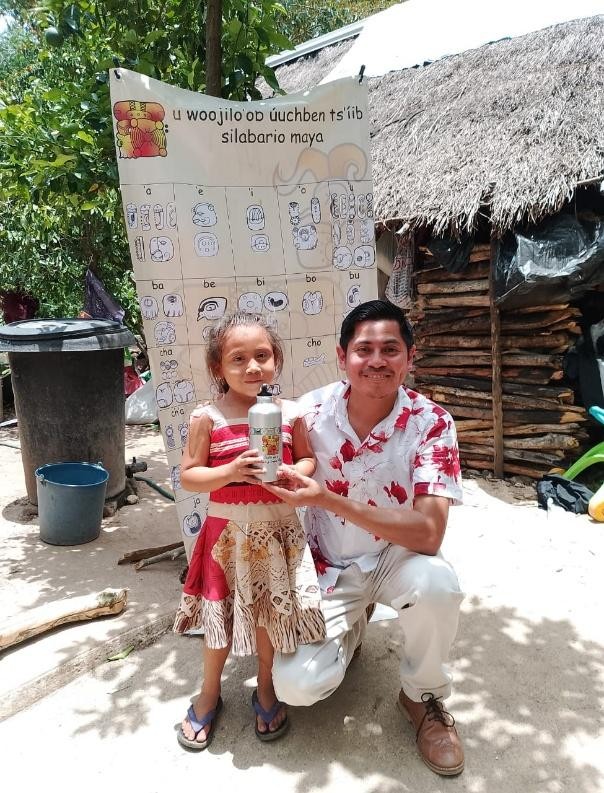
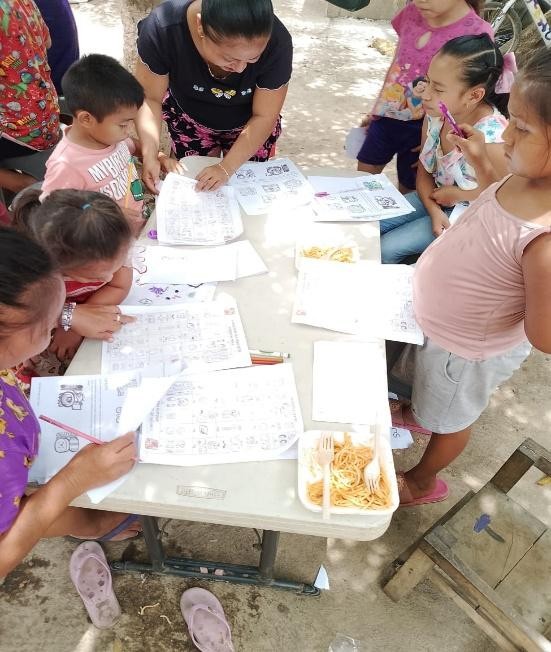
To conclude the workshop, two 60 ml bottles of water were given as a gift through an exercise that consisted of identifying a block of glyphs by performing transliteration, transcription, and translation.
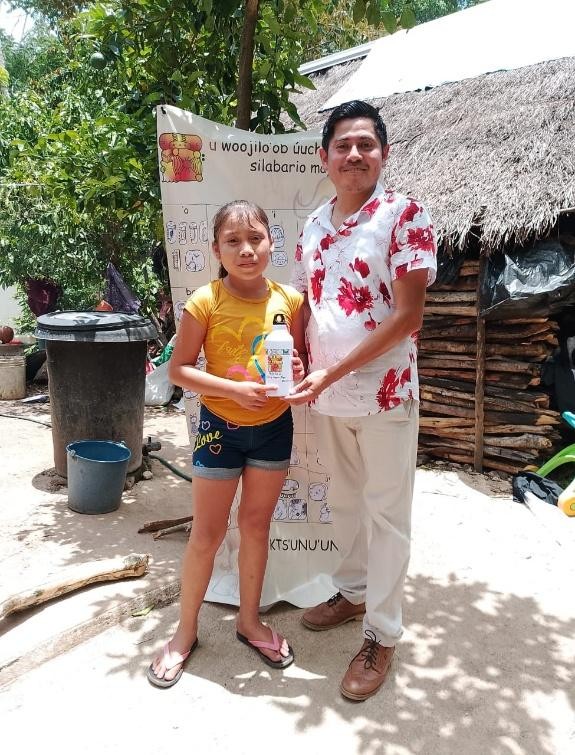
A group of children sitting around a table with paper

Description automatically generated A person and a child posing for a picture

Description automatically generated

Image 18.- One of the students from the workshop receiving their gift (a 60 ml bottle with Maya glyphs).

Image 17.- Some students from the workshop doing the transliteration, transcription, and translation of Maya glyphs.
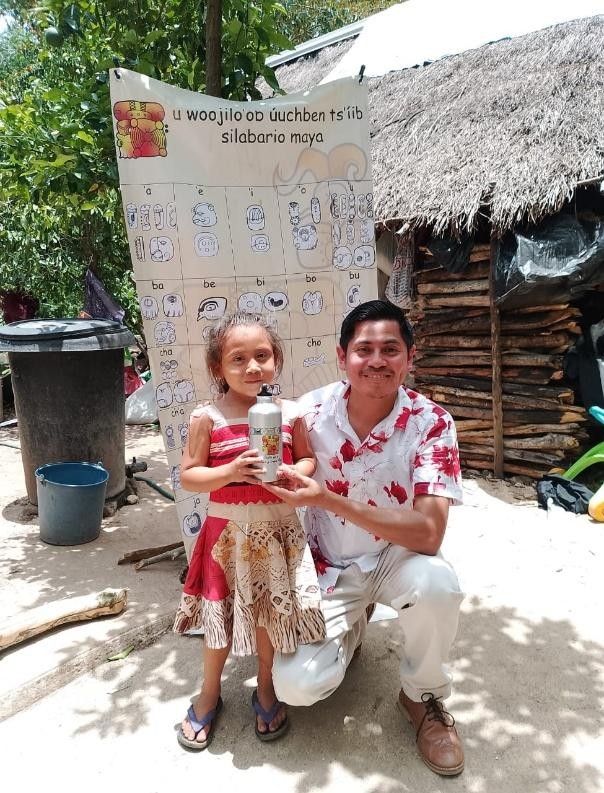
A person and a child posing for a picture

Description automatically generated

Image 19.- One of the students from the workshop

receiving their gift (a 60 ml bottle with Maya glyphs).

An important outcome of this workshop is the children’s interest in continuing to acquire this knowledge and to participate in activities related to ancient Maya writing.
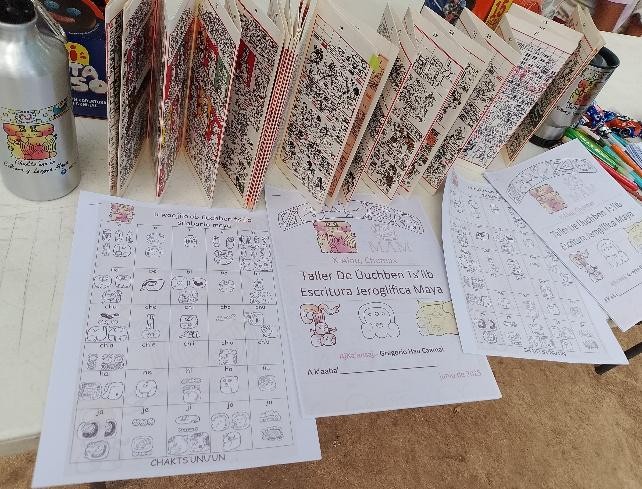
A group of books on a table

Description automatically generated

Image 20.- Codex on the work table, from which

they could see how the Ajts’íib wrote.

I want to close this report by thanking MAM for the support provided to this workshop, because more children from the X-Alau community in the municipality of Chemax, Yucatán, Mexico have learned about úuchben ts’íib.

Múul meyaj, múul áantaj, múul kaambal

With mutual support and collaborative work, it is easier to learn úuchben ts’íib.
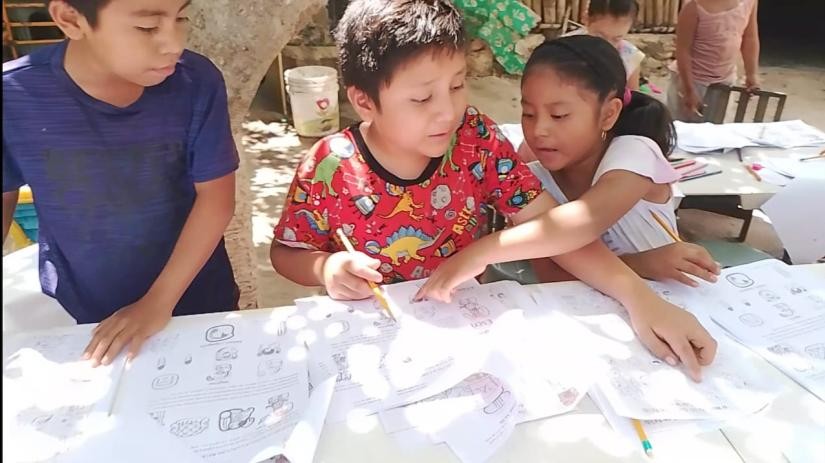
A group of children working on paper

Description automatically generated

Image 21.- Múul meyaj, múul áantaj, múul kaambal: teamwork achieves better results.
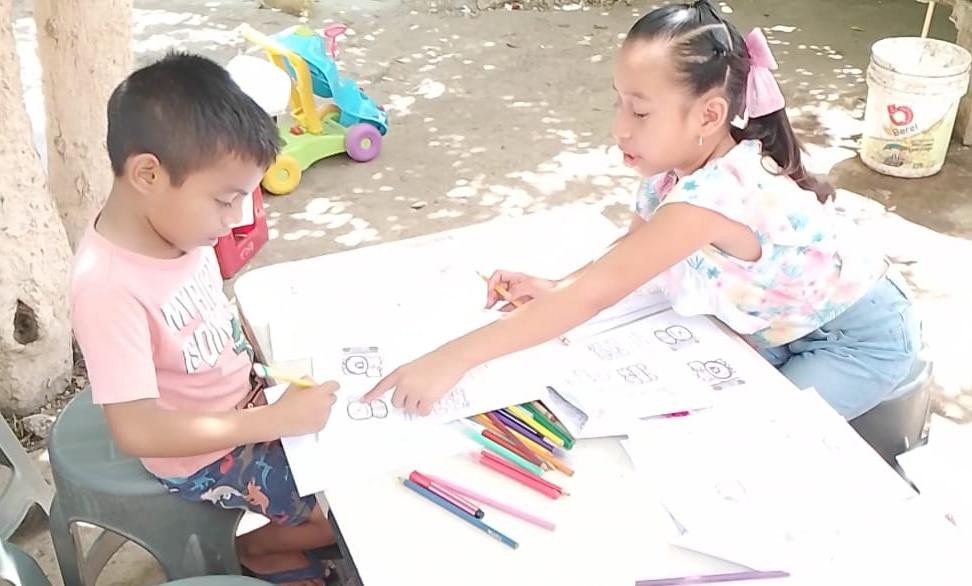
A child and child drawing on paper

Description automatically generated

Image 22.- Discovering meanings. She tells her companion,

‘this block says ts’i-b(i) and means writing.’

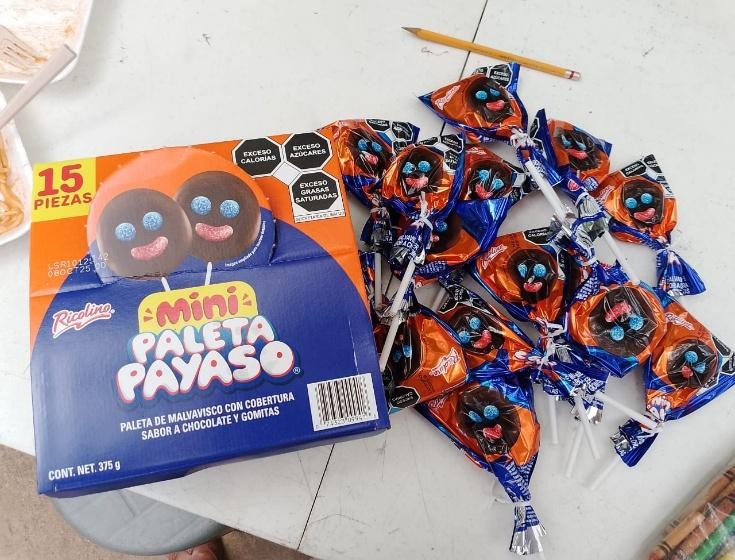
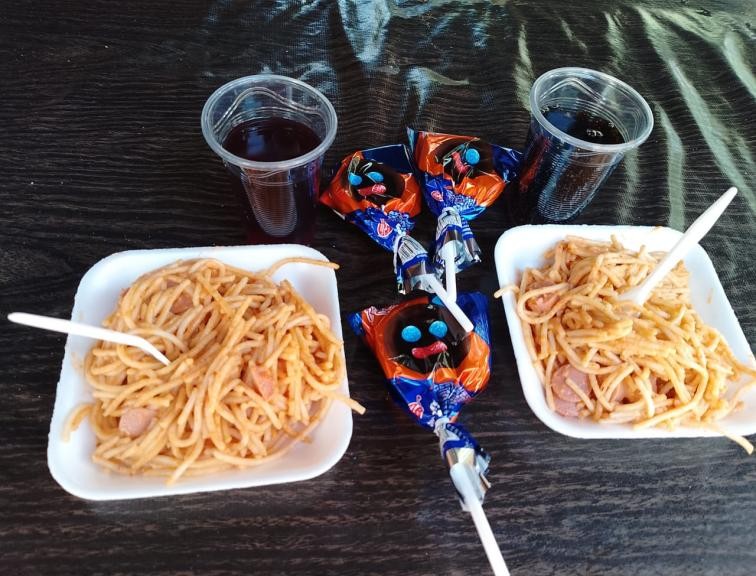
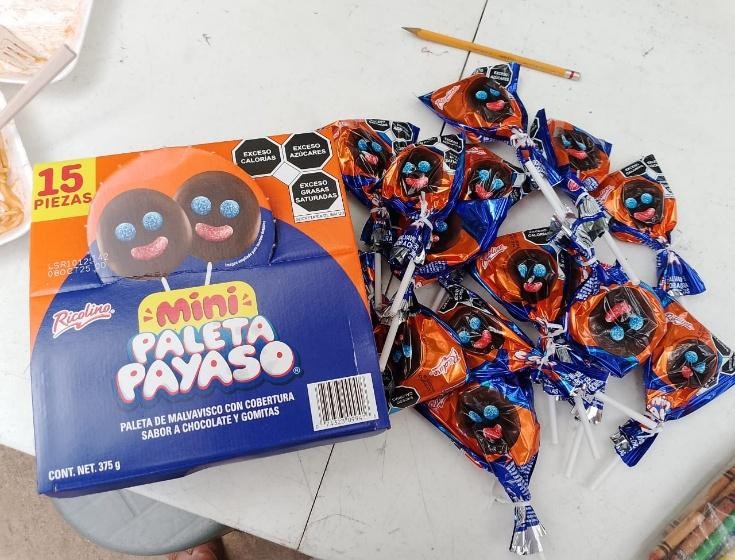
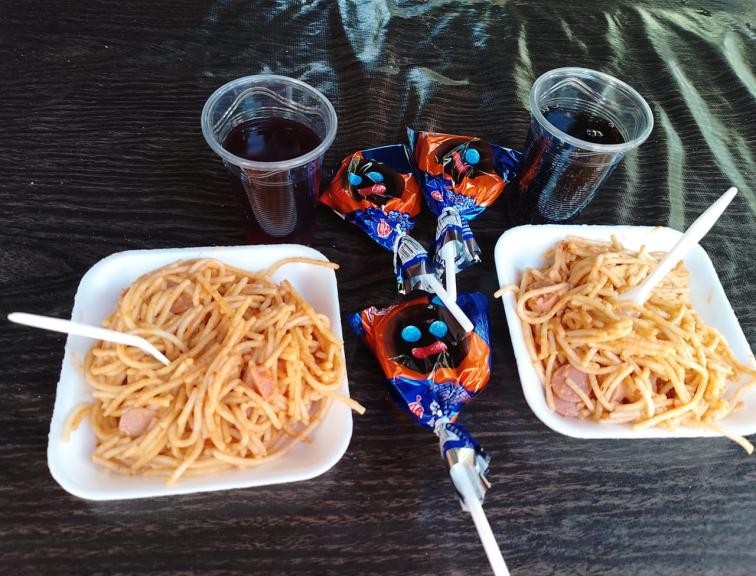
At the end, the children received a snack (spaghetti, a clown lollipop, and a glass of hibiscus juice) that was prepared by the family that offered us their space for the realization of the workshop, all thanks to MAM’s resources.

Annexes
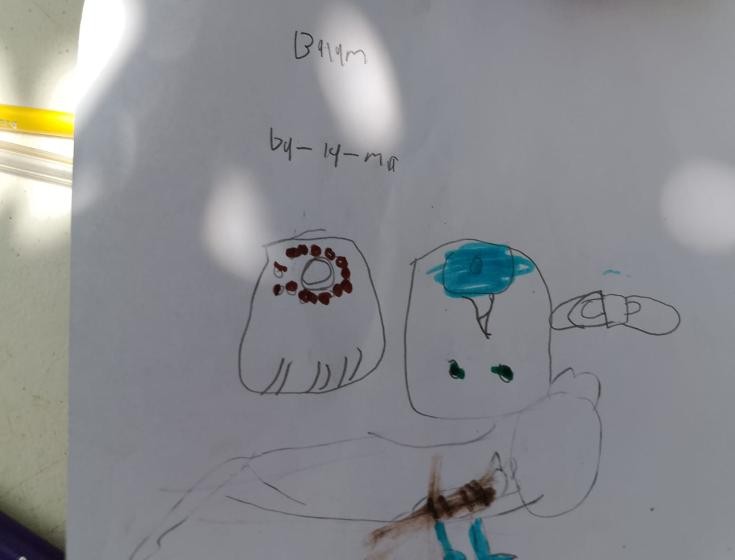
A drawing of a bird

Description automatically generated

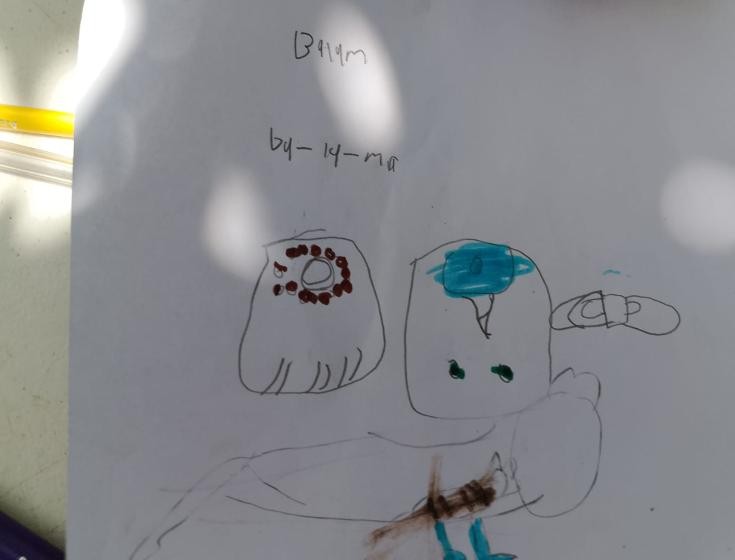
Image 23.- The word báalam written with úuchben ts’íib by children from X-Alau.
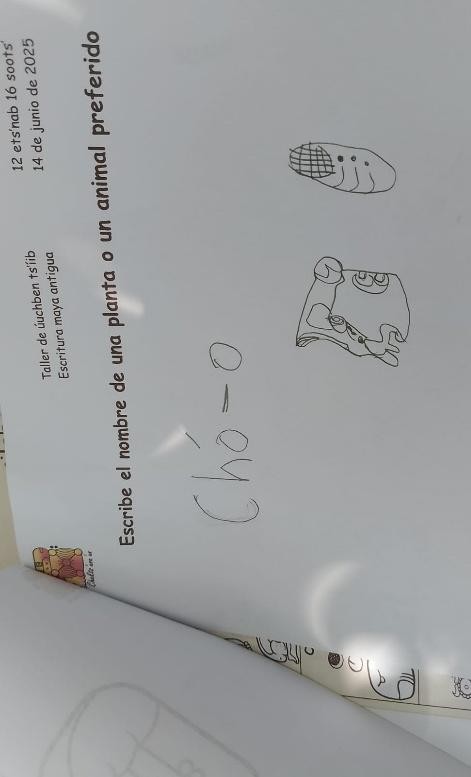
 

A paper with writing on it

Description automatically generated

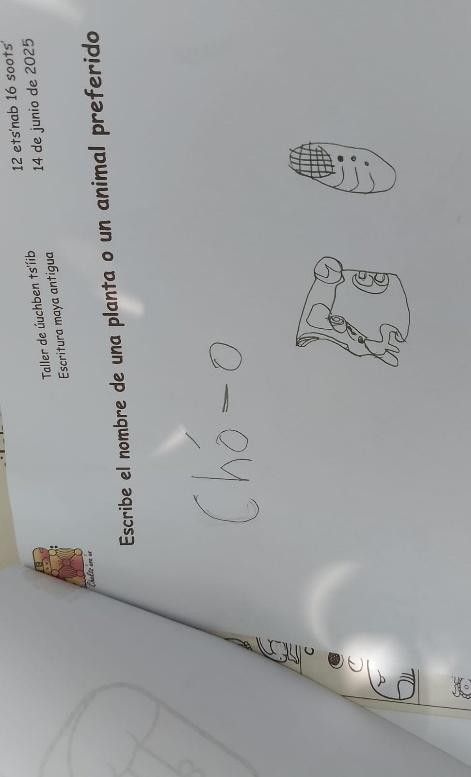
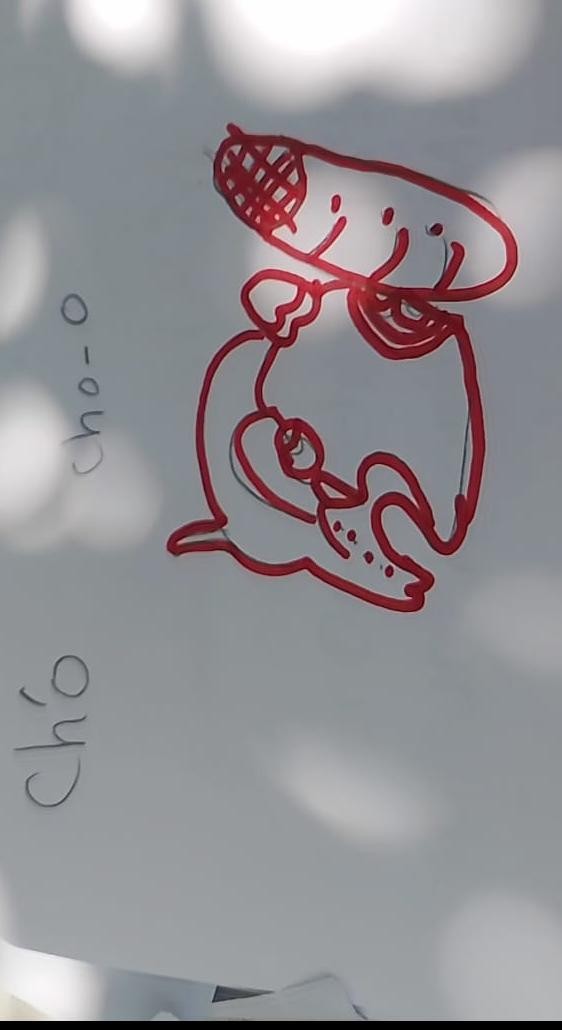
Image 24.- Syllable ch’o-o, which means mouse.
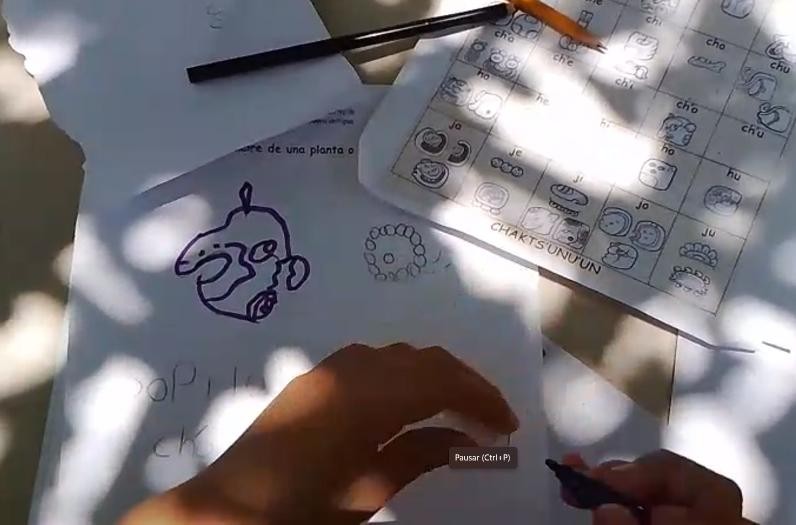
A hand drawing on paper

Description automatically generated

Image 25.-ch’oom ch’o-m(o): vulture.

A drawing on a wall

Description automatically generated

Image 26.- In this image, the syllables ku-u-k(u) can be read to signify the word ku’uk,

which in English means squirrel.
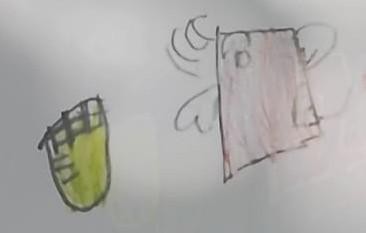
A drawing of a square and a square

Description automatically generated

Image 27.- In this image, the syllables o-ch’o can be read,

although the little Ajts’íib tried to write with glyphs the word ooch, opossum.
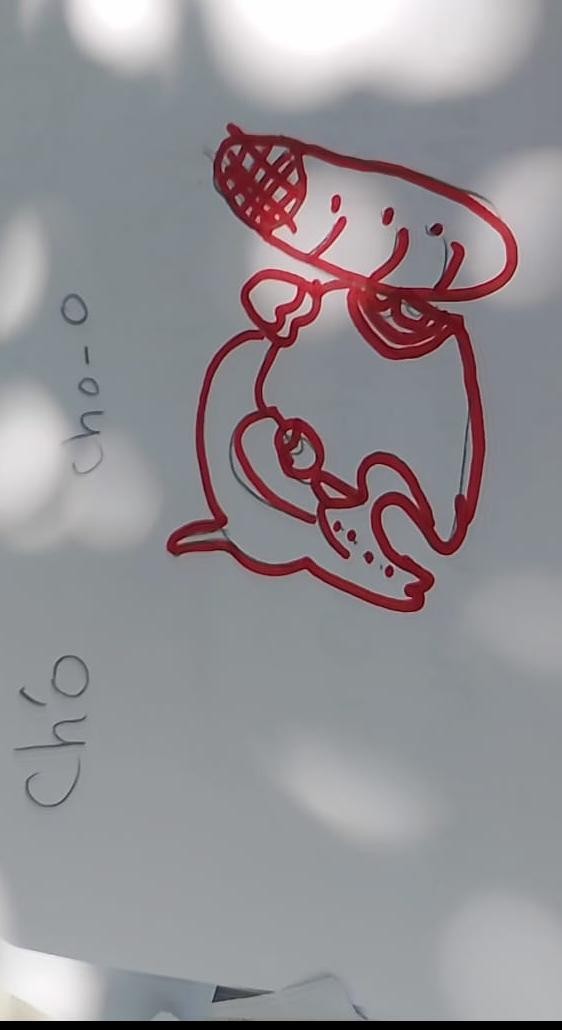
A drawing of a dog

Description automatically generated

Image 28.- Syllables ch’o-o: ch’o’ mouse.
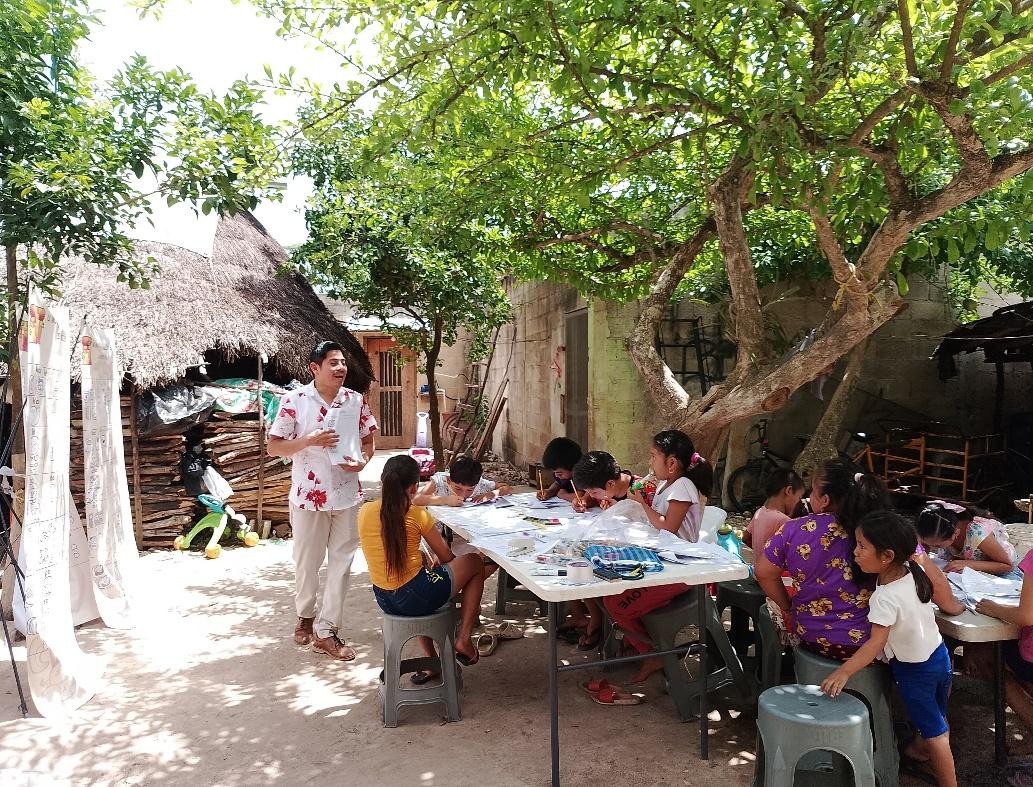
A group of children sitting around a table

Description automatically generated

Image 29.- Teacher Gregorio Hau Caamal explaining the activity for the children of X-Alau.
A plate of food and candy

Description automatically generated A box of candy and a pencil

Description automatically generated

A group of children sitting around a table

Description automatically generated

Images 30, 31, and 32.- Snacks received by the students who attended the workshop.
 

Posted in New

10 Ahaw 18 Ch’en (el 24 de septiembre de 2025)


Para acceder a esta publicación en inglés, haga clic aqu

Bloque de glifos 10 Ahaw 18 Ch’en dibujado
por
Jorge Pérez de Lara

A group of children holding up signs

Description automatically generated

Foto de grupo con Gregorio Hau Caamal y los hijos de X-Alau.

10 Ajaw 18 Ch’en (24 de septiembre, 2025)
Múul Meyaj, Múul Áantaj, Múul Kaambal:

El trabajo en equipo logra mejores resultados: el taller Uuchben Ts’iib en X-Alau, Yucatán

Ha sido un verano muy ajetreado, y he tenido que tomarme un descanso de nuestros blogs habituales cada 40 días, durante los cuales hemos estado reorganizándonos y generando ideas en MAM. Muchos de nuestros colegas mayas han estado ocupados realizando diversos talleres en la región con fondos de las minibecas de MAM. Debido a los crecientes desafíos de los viajes internacionales, también estamos considerando congresos más regionales, en lugar de intentar celebrar un congreso internacional más grande cada dos años, como era nuestro formato anterior.

Tuvimos una reunión muy productiva del Comité Ejecutivo en agosto, donde tuvimos la fortuna de contar con la participación de varios colegas adicionales, entre ellos Beth Spencer, quien trabajó con MAM durante muchos años como nuestra Secretaria, así como mis buenos amigos Alonso Méndez y Barb MacLeod. Alonso es un colega arqueoastrónomo, además de ser maya tzeltal de Tenejapa, Chiapas, y nos entusiasma contar con más de su aportación y participación en MAM. Barb es una epigrafista y lingüista de renombre mundial, y también ha participado en los dos últimos Congresos. Barb colaboró ​​generosamente con la traducción y el formato del excelente informe de este mes de Gregorio Hau Caamal, especialmente dado que he estado asumiendo mayores responsabilidades como directora de mi departamento en Sacramento City College al comenzar de nuevo el año académico.

Esperamos pronto informarles sobre las diversas propuestas que tenemos en mente mientras buscamos la mejor manera de servir a las comunidades mayas con las que trabajamos y sus diversas necesidades.

¡Disfruten de este maravilloso reportaje y fotografías de Gregorio Hau Caamal y los niños de X-Alau en Chemax, Yucatán!

Yum bo’otik,

Michael Grofe, Presidente
MAM


Informe del Taller de Úuchben Ts’íib
Escritura Maya Antigua
Impartido por Gregorio Hau Caamal
Con recursos de MAM

En la comisaría de X-Alau municipio de Chemax, Yucatán, México se impartió un taller de úuchben ts’íib a niños de 8, 9, 10, y 12 años. Bajo la sombra del árbol de luuch (jícara) los niños despertaron la memoria de nuestros abuelos y de los ajts’íib. ese día, 12 ets’nab 16 soots’ escribieron con el úuchben ts’íib, escritura maya antigua o escritura jeroglífica maya como también es conocida.

A group of children sitting around a table

Description automatically generated

Imagen 1.- El maestro explicando al grupo el úuchben ts’íib.

El solar de los pueblos es un espacio donde se siembra, y se cosecha, donde se enseña y se aprende, donde se cuida y se conserva la vida,la alimentación, la lengua y la identidad. En este contexto Se acordó, hacer el taller en el solar o patio de la casa, porque es un espacio óptimo para el aprendizaje y los niños acuden al llamado el día que se les convoca.

El taller fue un éxito porque ese día estuvieron muy atentos observaban y escuchaban, hicieron preguntas, compartieron reflexiones, escribieron, colaboraron entre ellos para realizar las actividades que se solicitaban.

En este taller cada niño logró:

➢ Identificar silabas con el silabario
➢ Escribir en su material de trabajo la silaba correspondiente.
➢ Conocer las reglas, el orden de lectura y escritura de un bloque de glifos. ➢ Escribieron el nombre de un animal conocido.

A group of children drawing on paper

Description automatically generated

Imagen 2.- El maestro atendiendo dudas de los alumnos.

A table with signs and drinks on it

Description automatically generated

Imagen 3.- Lonas con el silabario maya.

A close-up of a person's hands holding a paper

Description automatically generated

Imagen 4.- Hojas del silabario maya y bloques de glifos mayas.

A person drawing on a piece of paper

Description automatically generated

Imagen 5.- Escribiendo la silaba correspondiente.

De esta manera contribuimos a fortalecer el conocimiento que nuestros abuelos y abuelas, nos han heredado en la tradición oral. En la escritura maya antigua se encuentra una prueba de todo lo que nuestros padres y ancestros contaban. Todo esto está registrado en los úuchben ju’un o códices y en las estelas y dinteles de los wíitso’ob o múulo’ob.

A person drawing on a piece of paper

Description automatically generated

Imagen 6.- Escribiendo e identificando silabas en bloques de glifos.

Otro de los objetivos fue reforzar y fomentar la lengua maya ya que este taller se impartió en la lengua materna de los niños que es el maayat’aan. Reconectarse con la escritura de nuestros abuelos y abuelas es reconocer al úuchben ts’íib como evidencia de que los tsikbalo’ob que se cuentan a los niños y jóvenes es una verdad y no se limita a simples cuentos, mitos o leyendas y es tan profundo, así como las raíces del árbol de la jícara donde se impartió el taller y que ha sobrevivido a diferentes chak ik’alo’ob (huracanes), tanto así que varias generaciones han cosechado y siguen cosechando sus frutos.

A group of children holding signs

Description automatically generated

Imagen 7.- Foto grupal de los niños que tomaron el taller de úuchben ts’íib.

Entre niños y adolescentes fueron en total 15 participantes entre ellos un adulto que se integró al taller al acompañar a sus hijos. La fecha de inicio fue el día 14 de junio a las 9:00 am en un domicilio conocido del pueblo. Todos los participantes fueron recibidos no sin antes pasar por la mesa para recibir su respectivo material de trabajo, lápiz, colores, hojas blancas, marcadores, el silabario y el cuadernillo de trabajo.

A table with various coloring books and pencils

Description automatically generated

Imagen 8.- Mesa donde se asentó el material para su respectiva entrega.

El material que se utilizó para la aplicación de este taller fue tomado de fuentes como Harri kettunen y christophe Helmke “Introducción a los Jeroglíficos mayas”, y A. la Cadena “Apéndice I lista de Logogramas mayas” generando un pequeño cuadernillo como material didáctico de fácil comprensión para los niños.

A child writing on a piece of paper

Description automatically generated

Imagen 9.- Niños escribiendo su nombre en su cuadernillo de trabajo.

Para hacer memoria y recordar algunos de los sitios ceremoniales o algún lugar donde hubiera vestigios de Úuchben ts’íib o escritura maya antigua que sobrevivieron al momento del contacto colonial, los niños fueron nombrando algunos conocidos e incluso visitados, como por ejemplo Palenque, Ek Balam, Uxmal, Chichen Itzá entre otros.

Se les explicó también, que existen personas dedicadas a la pintura y escritura y que fueron nombrados como AJ TSÍIB y que algún día ellos podrían llegar a serlo si se lo proponen. Aprendieron la importancia de leer, estudiar y escribir y lo más importante escuchar y entender lo que los abuelos nos platican cuando hablan de los yuntsilo’ob padres o madres que habitan en el monte o selva (algunos los llaman dioses). Mientras revisaron el silabario se les enseñó que la base de la antigua escritura maya se compone de muchos signos y símbolos que se les conoce como jeroglíficos o simplemente glifos.

A group of people sitting at tables outside

Description automatically generated

Imagen 10.- El maestro Explicando a los niños quien es un aj ts’íib y quien puede llegar a serlo.

Durante la manipulación del silabario los niños descubrieron que a pesar de que existen muchísimos signos, muchos de ellos son variaciones del mismo signo o también puede ser un signo distinto, pero con el mismo significado y para ello se dieron varios ejemplos.

A person holding a pencil over a piece of paper

Description automatically generated

Imagen 11.- Identificación de la variación de un mismo signo.

En el material proporcionado junto con su silabario, de manera personal o en equipo los niños fueron identificando silabas mismas que una vez reconocidas a viva voz decían a qué silaba correspondía. Después de la identificación de las silabas se prosiguió a estudiar el orden de lectura dentro de un texto y de un bloque. Para ello los niños se apoyaron en su material de trabajo.

A child reading a book

Description automatically generated

Imagen 12.- Un alumno en la identificación del orden de lectura y escritura de un bloque de glifos.

Con los ejercicios del material didáctico, cada alumno se dedicó a desarrollar los ejercicios con apoyo de sus compañeros asesorado por el instructor. En ocasiones los mismos alumnos se encargaron de enseñar a sus compañeros. Esto es muestra del múul áantaj o apoyo mutuo para fortalecer el aprendizaje y conocimiento.

A group of children drawing on paper

Description automatically generated

Imagen 13.- Alumnos resolviendo ejercicios, pintando y escribiendo glifos.

Una vez que los niños realizaron los ejercicios se prosiguió a corroborar si efectivamente estaban correctas. Una vez conocido el silabario, el orden de lectura y escritura de los bloques de glifos se dispusieron a realizar el producto final que consistió en escribir en glifos el nombre de un animal o un árbol endémico de la región.

A white paper with writing on it

Description automatically generated A piece of paper with writing on it

Description automatically generated A drawing on a paper

Description automatically generated

Imagen 14, 15 y 16.- De arriba a abajo algunos productos finales. Elaboración de un bloque de glifos que consistió en escribir el nombre de un animal o una planta de la region.

Ya para finalizar el taller se obsequiaron dos botellones de agua de 60 ml. mediante un ejercicio el cual constó en identificar un bloque de glifos haciendo la transliteración, transcripción y traducción.

A group of children sitting around a table with paper

Description automatically generated

Imagen 17 – Algunos alumnos del taller haciendo la transliteración, transcripción y traducción de los glifos mayas.

A person and a child posing for a picture

Description automatically generated

Imagen 18.- Uno de los alumnos del taller recibiendo su obsequio (botellón de 60 ml. con glifos mayas)..

A person and a child posing for a picture

Description automatically generated

Imagen 19.- Uno de los alumnos del taller recibiendo

su obsequio (botellón de 60 ml. con glifos mayas).

Un resultado importante de este taller es el interés de los niños en continuar adquiriendo estos conocimientos y participar en actividades relacionadas con la escritura maya antigua.

A group of books on a table

Description automatically generated

Imagen 20.- Códice en la mesa de trabajo, con el cual pudieron apreciar como escribían los Ajts’íib.

Quiero cerrar este reporte agradeciendo a MAM por el apoyo brindado a este taller porque más niños de la comisaría de X-Alau municipio de Chemax, Yucatán, México han conocido el úuchben ts’íib.

Múul meyaj, múul áantaj. Múul kaambal

Con el apoyo mutuo y el trabajo colaborativo es más fácil aprender úuchben ts’íib.

A group of children working on paper

Description automatically generated

Imagen 21.- Múul meyaj, múul áantaj, múul kaambal el trabajo
en equipo logra tener mejores resultados.

A child and child drawing on paper

Description automatically generated

Imagen 22.-Descubriendo significados. Le dice a su compañero

“este bloque dice ts’i-b(i) y significa escritura.

Al finalizar los niños recibieron un refrigerio (espagueti, una paleta payaso y su vaso de jugo de Jamaica) que fue preparado por la familia que nos ofreció su espacio para la realización del taller todo esto con el recurso de MAM.

Anexos

A drawing of a bird

Description automatically generated

Imagen 23.- la palabra báalam escrita con úuchben ts’íib por niños de Xalau.


A paper with writing on it

Description automatically generated

Imagen 24.- Silaba ch’o-o, el cual significa ratón.

A hand drawing on paper

Description automatically generated

Image 25.-ch’oom ch’o-m(o): zopilote.

A drawing on a wall

Description automatically generated

Imagen 26.- En esta imagen se puede leer las silabas ku-u-k(u)

para significar la palabra ku’uk que en español significa ardilla.

A drawing of a square and a square

Description automatically generated

Imagen 27.- En esta imagen se puede leer las silabas o-ch’o.

Aunque el pequeño Ajts’íib intentó escribir con glifos la palabra ooch zarigüeya.

A drawing of a dog

Description automatically generated

Image 28.- Syllabas ch’o-o: ch’o’ ratón.

A group of children sitting around a table

Description automatically generated

Imagen 29.- El maestro Gregorio Hau Caamal Explicando

la actividad correspondiente a los niños de X-Alau.

A plate of food and candy

Description automatically generated A box of candy and a pencil

Description automatically generated

A group of children sitting around a table

Description automatically generated

Imagen 30, 31 y 32 .- Refrigerios que recibieron los alumnos que acudieron al taller.

Posted in New